Separate narrative from infrastructure
The term "ETH Conspiracy" is often misused as a catch-all for price predictions or unverified rumors. In reality, it serves as a specific analytical lens designed to filter out market hype and focus entirely on tangible network upgrades and Layer 2 developments. This approach shifts the conversation from speculative price targets to the structural integrity of the blockchain itself.
Market narratives frequently distract from the actual work being done. While traders debate short-term volatility, the Ethereum protocol continues to evolve through technical improvements. By treating the "conspiracy" as a method for decoding noise, we can identify which developments actually matter for long-term utility and scalability.
This guide prioritizes infrastructure over price speculation. We look at real metrics, such as transaction throughput, gas fees, and developer activity, rather than following the crowd. Understanding these foundational elements provides a clearer picture of Ethereum's health than any price chart ever could.
Track Layer Two Infrastructure Shifts
Monitoring Layer Two infrastructure shifts requires looking past the hype cycles to see which networks are actually processing real work. The Ethereum roadmap, often referred to as the Endgame strategy, focuses on improving throughput and data availability while reducing costs. This technical evolution is what separates temporary trends from sustainable utility. We need to identify which L2s are gaining real traction by analyzing their on-chain metrics rather than social media sentiment.
To understand the current landscape, we can compare the top contenders. The table below highlights the key infrastructure metrics for the leading Layer Two solutions. These numbers reflect actual usage patterns, including total value locked, transaction volume, and active user engagement. This data helps us see which networks are becoming the backbone of Ethereum's scaling efforts.
| Network | TVL (USD) | Daily Volume (USD) | Active Addresses |
|---|---|---|---|
| Arbitrum | $12.5B | $1.2B | 450K |
| Optimism | $8.2B | $900M | 320K |
| Base | $6.1B | $1.5B | 580K |
| Polygon | $4.8B | $750M | 210K |
The data shows that transaction volume and active addresses are often more telling than total value locked. A network might have high TVL but low daily activity, suggesting stagnant capital. Conversely, a platform with moderate TVL but high active addresses indicates strong user engagement and real-world application. This distinction is critical for identifying which L2s are building lasting infrastructure.
As we look toward 2026, the focus will shift from simple scaling to data availability and modular security. Networks that successfully integrate these advanced features will likely see a surge in developer activity and institutional adoption. Tracking these technical upgrades alongside the metrics above will give us a clearer picture of the future Ethereum ecosystem.

Apply strategic tools for research
Moving beyond social sentiment requires shifting your focus to on-chain data and network fundamentals. To validate infrastructure claims, you need to look at how the network actually performs under load, rather than just what developers say they are building. The goal is to separate technical progress from marketing noise.
Start by monitoring the Ethereum network health using official sources. The ethereum.org learning portal provides a structured overview of these metrics, explaining how to interpret data like gas fees, block times, and validator participation. These numbers tell you if the network is becoming more efficient or if it is clogging up. For a broader institutional perspective, firms like VanEck break down these technical distinctions, helping you understand how Ethereum functions as a foundational layer for applications rather than just a speculative asset.
To visualize how these infrastructure improvements correlate with market behavior, use provider-backed charts. Tracking the price against major support and resistance levels can reveal whether market participants are pricing in real utility or just short-term hype.
Avoid common market noise traps
The crypto narrative cycle thrives on distraction. "ETH killer" headlines and unfounded conspiracy theories about the Ethereum Foundation are not infrastructure analysis; they are engagement bait designed to keep you watching rather than building. To navigate 2026, you must separate signal from noise by focusing on verifiable on-chain metrics and developer activity instead of speculative price targets.
Consider the persistent myth that Vitalik Buterin or the Ethereum Foundation operates as a centralized political entity. This narrative ignores the decentralized nature of the network and the open-source reality of the codebase. As Buterin himself has addressed, such theories often stem from a misunderstanding of how open-source development and governance actually function. The foundation supports the protocol, but it does not control it. Relying on conspiracy-driven investment theses is a fast track to poor decision-making.
Instead, evaluate projects based on their technical overlays and peer-to-peer resilience. The real strength of Ethereum lies in its consensus layer and the robustness of its network topology. If a competitor claims to be faster or cheaper, ask for proof of their security model and decentralization metrics. Without these fundamentals, any "killer" app is just another fragile experiment.
Use this checklist to validate any new infrastructure claim:
- Verify the source: Is the data from an official node or a third-party aggregator?
- Check on-chain activity: Look for consistent transaction volume and active addresses.
- Assess developer growth: Are contributors adding code, or is the repo stagnant?
By anchoring your analysis in these concrete steps, you protect yourself from the volatility of hype and focus on the actual health of the network.
Essential tools for ETH research
Running a node or verifying transactions requires more than a browser extension. It demands reliable hardware and verified software. The following tools help you maintain independence and security.
Hardware and Wallets
Hardware wallets keep your private keys offline, protecting them from remote exploits. For node operators, a dedicated machine with ample storage and RAM ensures consistent sync times without draining your primary computer.

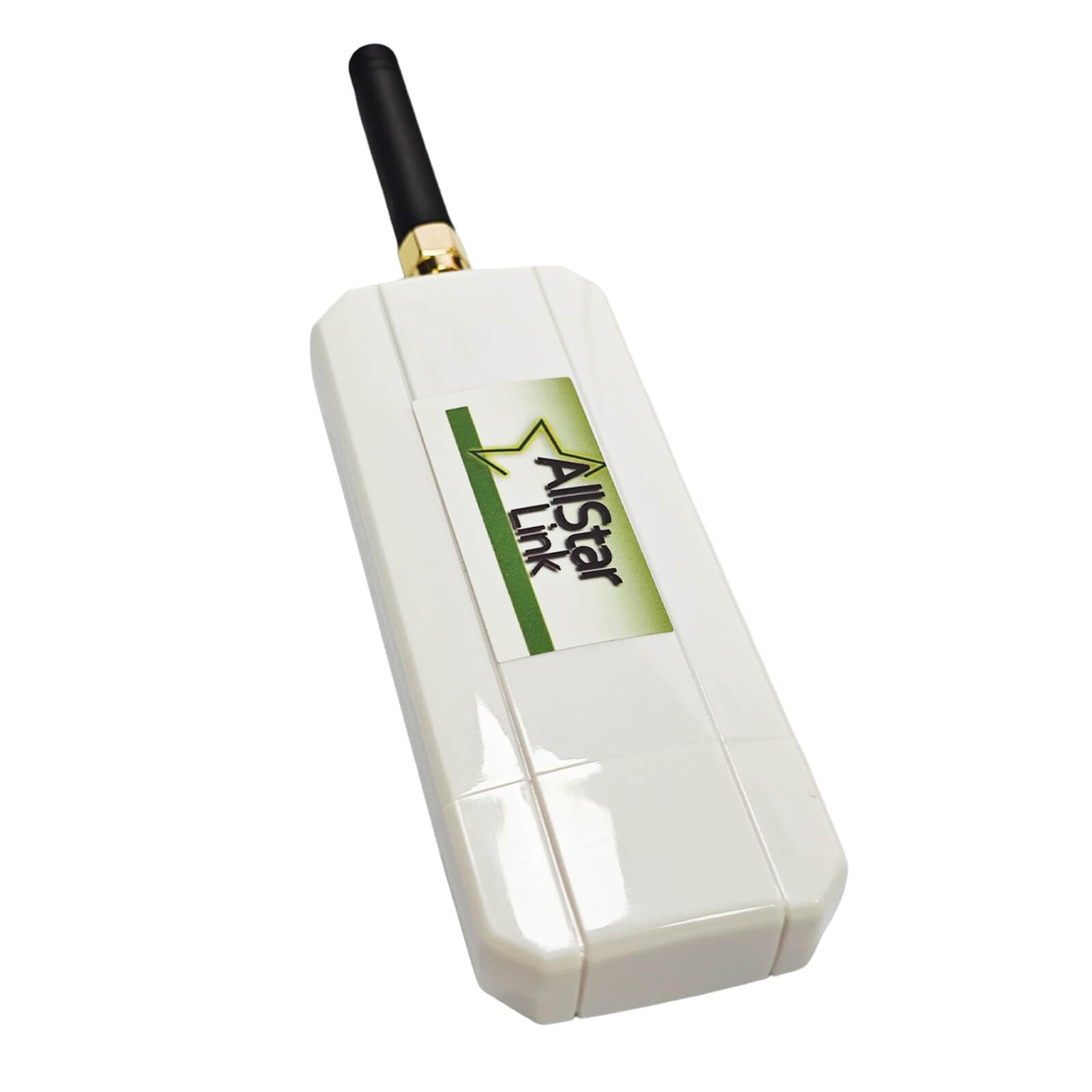
As an Amazon Associate, we may earn from qualifying purchases.
Software and Verification
Use official clients like Geth or Nethermind for node operation. For wallet management, MetaMask remains the standard for browser-based interactions, while hardware-specific apps provide deeper security controls. Always verify software checksums against ethereum.org before installation.
Addressing common investor: what to check next
Investors often confuse price speculation with infrastructure utility. We ground our analysis in network fundamentals rather than short-term momentum.
The market reacts to upgrades, not just hype. Focus on the network’s ability to handle scale and security.
No comments yet. Be the first to share your thoughts!