The 2026 Ethereum Infrastructure Shift
The "ETH Conspiracy 2026" isn't a theory about hidden agendas; it's a market narrative describing the end of convenience-first compromises. For over a decade, Ethereum prioritized ease of use over rigorous scalability, a trade-off that is now being reversed. Vitalik Buterin frames 2026 as the year the protocol finally sheds its legacy baggage, shifting focus to infrastructure that can actually support mass adoption without centralization.
This shift is anchored by two major protocol upgrades: Glamsterdam and Hegota. Expected in the first half of 2026, Glamsterdam introduces smaller, more frequent improvements rather than risky, bundled releases. It is followed by Hegota later in the year, which aims to streamline the client software and reduce the resources required to run a node. This "Purge" strategy is designed to make Ethereum more robust and accessible, moving away from the bloated state that has hindered its long-term growth.
The market is watching these changes closely, as they directly impact the network's ability to handle transaction volume. Instead of relying on optimistic promises, the 2026 roadmap offers concrete technical steps toward a more efficient blockchain. This transition from convenience to rigor is what analysts are calling the "infrastructure shift," a necessary evolution for Ethereum to maintain its relevance in a competitive landscape.
As these upgrades roll out, the focus remains on stability and scalability. The "conspiracy" is simply that the network is finally maturing into the infrastructure layer it was always meant to be, leaving behind the experimental phase of its early years.
Roadmap Upgrades: Glamsterdam and Hegota
Ethereum’s 2026 roadmap is anchored by two specific protocol upgrades: Glamsterdam, expected in the first half of the year, followed by Hegota in the second half. This schedule marks a distinct departure from the era of massive, bundled releases that once defined Ethereum development. Instead, the network is shifting toward a cadence of smaller, more frequent updates designed to reduce systemic risk.
The strategic move away from "big bang" upgrades allows core developers to isolate changes more effectively. By breaking complex functionality into manageable increments, the team can identify and patch vulnerabilities before they reach mainnet. This incremental approach prioritizes stability and security over sheer speed, ensuring that each upgrade is thoroughly tested and less likely to disrupt the broader ecosystem.
For market researchers and investors, this change in development rhythm signals a maturation of the network's infrastructure. It suggests a focus on sustainable growth and reliability, which can serve as a foundational layer for long-term value. Understanding these specific milestones helps clarify how Ethereum intends to scale its capabilities without compromising the decentralization and security that users rely on.
Killing Trust-Me Wallets and RPC Reliability
The "trust me" era of interacting with Ethereum is coming to an end. In his 2026 thesis, Vitalik Buterin argues that the protocol has spent too long prioritizing convenience over security, allowing users to hand over control to opaque third parties. This shift marks a move away from the decade-long compromise where wallets acted as black boxes, obscuring what actually happened on-chain.
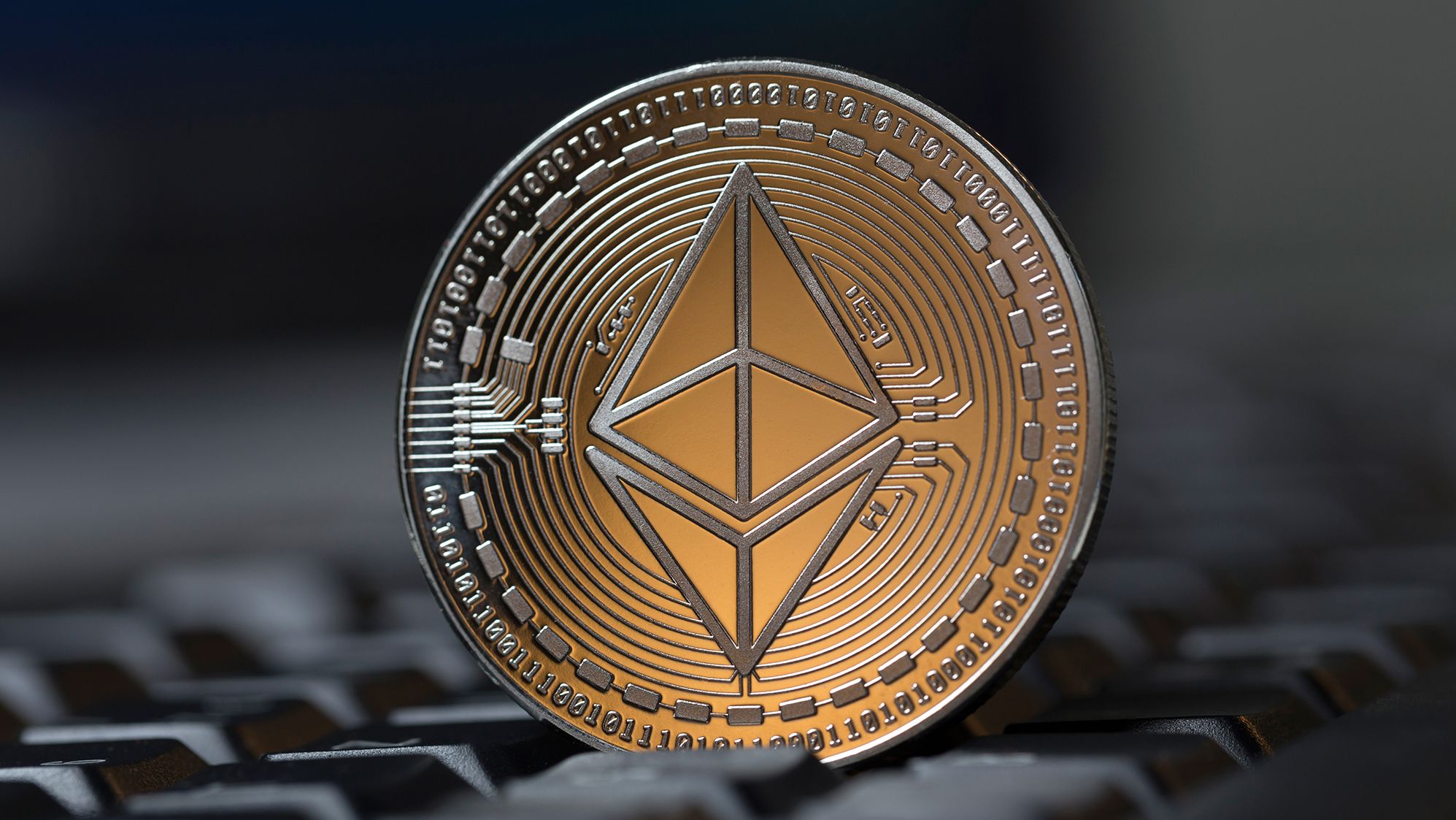
The fix is already shipping through a faster cadence of smaller protocol upgrades. Instead of bundling high-risk changes, Ethereum is adopting a "Glamsterdam" upgrade in the first half of 2026, followed by "Hegota" later in the year. This approach allows the network to patch trust issues incrementally, reducing the chance of catastrophic failures while giving researchers clearer data on how transactions are processed.
For market researchers, this means the infrastructure is becoming more transparent. Local RPC nodes are being standardized to reduce reliance on centralized endpoints, making data collection more reliable. As the network matures, the focus shifts from simply moving money to ensuring that every step of the journey is verifiable, accountable, and open to scrutiny.
Regulatory clarity reshapes Ethereum's standing
The regulatory landscape for Ethereum is undergoing a quiet but significant shift as we head into 2026. The Securities and Exchange Commission (SEC) has dropped cryptocurrency from its 2026 priority enforcement list, a move that signals a departure from the aggressive stance seen in previous years [src-serp-7]. This decision effectively treats ETH more like a commodity than a security, reducing the legal uncertainty that has long hovered over the network.
For ETH Conspiracy 2026, this clarity is not just a bureaucratic detail; it is foundational infrastructure. When regulators step back from treating ETH as a security, developers and institutions can build without the constant fear of retroactive enforcement. This environment encourages long-term protocol development rather than short-term compliance hacks.
The market is already pricing in this stability. While short-term forecasts suggest modest increases ranging from $2,200 to $3,700, the real value lies in the reduced risk premium. Institutions no longer need to maintain large legal reserves for potential SEC action, freeing up capital for actual adoption and staking infrastructure. This shift marks a maturation phase where Ethereum’s role as a global settlement layer is recognized rather than contested.
Price Forecasts and Market Sentiment
Use this section to make the ETH Conspiracy decision easier to compare in real life, not just on paper. Start with the reader's actual constraint, then separate must-have requirements from details that are merely nice to have. A practical choice should survive normal use, maintenance, timing, and budget. If a recommendation only works in an ideal situation, call that out plainly and give the reader a fallback path.
| Factor | What to check | Why it matters |
|---|---|---|
| Fit | Match the option to the primary use case. | A good deal still fails if it does not fit the job. |
| Condition | Verify age, wear, and service history. | Hidden condition issues erase upfront savings. |
| Cost | Compare purchase price with likely upkeep. | The cheapest option is not always the lowest-cost option. |
On-Chain Research Strategy for 2026
Price action is no longer the only truth. In 2026, Ethereum’s infrastructure maturity means the network’s health is visible in the code, not just the chart. If you’re still relying solely on technical analysis, you’re reading the rearview mirror while the engine is being rebuilt.
The shift toward smaller, frequent upgrades like Glamsterdam and Hegota has changed how data flows. You need to track protocol health, not just token velocity. Here is how to adjust your research workflow for this new reality.
The roadmap is now a series of modular improvements rather than monolithic leaps. Monitor the specific metrics tied to the current upgrade cycle. If the network is processing more data with less energy, that fundamental shift often precedes price discovery.

With the push to eliminate "trust me" wallets, on-chain behavior is changing. Look for increases in smart contract interactions that require explicit, gas-paid approvals. This isn't just UX friction; it's a signal of institutional-grade security adoption, which stabilizes long-term holder behavior.
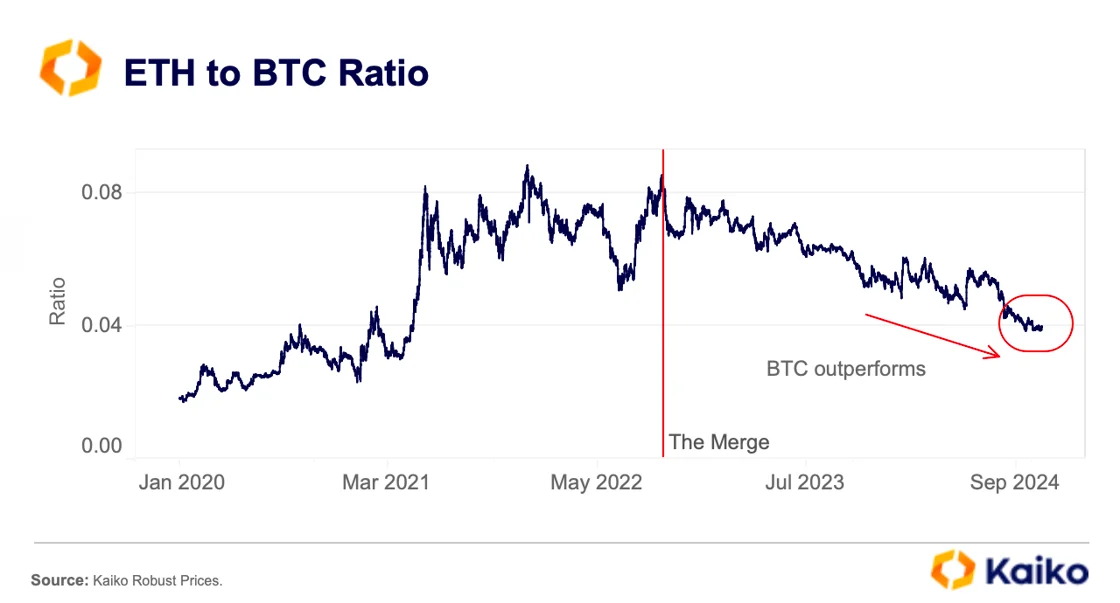
Ethereum’s role as the settlement layer is its primary value driver. Track the fees paid to settle L2 transactions on mainnet. Rising settlement activity indicates growing network utility, independent of speculative trading volume on centralized exchanges.
Technical analysis still has its place, but it must be secondary to infrastructure signals. Use a chart to time your entries, but let on-chain data tell you if the network is actually growing.
No comments yet. Be the first to share your thoughts!