Defining the eth conspiracy market research
The term "ETH Conspiracy" is often used to describe a complex, often misunderstood interplay of infrastructure, staking, and market dynamics. It is not a literal plot, but rather a colloquial label for the intricate web of factors influencing Ethereum's value and utility. Understanding this landscape is crucial for anyone navigating the crypto space in 2026.
Ethereum is a global, decentralized platform for money and new kinds of applications. On this network, users control their own money, data, and identity. The "conspiracy" often arises from the opacity of these mechanisms, the centralization concerns around staking, and the rapid pace of technological change. This guide aims to clarify these dynamics, providing a clear and authoritative analysis of the current state of Ethereum.
The surge in institutional demand for ether is the result of several fundamental shifts. These include the integration of Ethereum into traditional financial systems, the growth of decentralized finance (DeFi), and the increasing adoption of non-fungible tokens (NFTs). These developments have transformed Ethereum from a niche experiment into a cornerstone of the digital economy.
The 2026 infrastructure shift
The ETH conspiracy guide isn't just about price action; it's about understanding the engine under the hood. In 2026, Ethereum's infrastructure has fundamentally changed. The network is no longer just a smart contract platform; it's a modular data availability layer. This shift is driven by two major technical upgrades: Danksharding and statelessness. These aren't buzzwords. They are the structural changes that define the current market landscape.
Danksharding and data availability
Danksharding, formally known as EIP-4844 and its successors, is the biggest change. Before this, scaling meant making the main chain faster. Now, it means moving data off-chain. Danksharding introduces "blobs"—temporary data packets that are cheap to post but hard to store. This allows Layer 2 rollups to post their transaction data to Ethereum without clogging the main chain. The result is a massive drop in fees for users and a boost in throughput for developers. It's like moving from a single highway to a system of express lanes that don't interfere with local traffic.
The move to statelessness
The second pillar is the push toward statelessness. Historically, running an Ethereum node required storing the entire state of the blockchain—the balance of every account, the code of every contract. This made nodes heavy and expensive to run, centralizing power among a few large operators. Statelessness changes this. It allows nodes to verify transactions without storing the full state. Instead, they only need the current block and a small proof. This lowers the hardware barrier to entry, potentially bringing the number of independent nodes back up. A more decentralized network is a more resilient one.
Market implications
These infrastructure shifts have direct market implications. Lower fees mean more users can participate, increasing demand for ETH. Greater decentralization reduces regulatory and operational risks, making the asset more attractive to institutional investors. The ETH conspiracy guide highlights that these technical upgrades are not just for developers. They are the foundation for the next bull run. As the network becomes more efficient and secure, the value proposition strengthens.
Compare staking and validation options
Choosing how to stake Ethereum depends on your technical comfort and how much control you want over your nodes. There are three main paths: solo staking, liquid staking, and pooled staking. Each has different risks and rewards.
Solo staking gives you full control and maximum rewards, but requires 32 ETH and technical skill. Liquid staking lets you stake smaller amounts and keep your ETH liquid, but you rely on a third party. Pooled staking combines small amounts for lower entry barriers, but introduces smart contract risk.
The right choice for your ETH Conspiracy guide strategy depends on your goals. If you want to support the network directly, solo staking is best. If you want flexibility, liquid or pooled staking might be better.
| Feature | Solo | Liquid | Pooled |
|---|---|---|---|
| Minimum ETH | 32 | 0.01+ | 0.01+ |
| Control | Full | None | None |
| Liquidity | None | High | High |
| Risk | Slashing, downtime | Smart contract, centralization | Smart contract, centralization |
| Technical Skill | High | Low | Low |
Strategic tools for market navigation
Tracking the health of the Ethereum network requires looking beyond simple price action. Serious participants use a specific set of infrastructure metrics and on-chain signals to gauge where the market stands. These tools act as a diagnostic suite, revealing whether the network is congested, if liquidity is drying up, or if institutional interest is shifting.
Key on-chain metrics to monitor
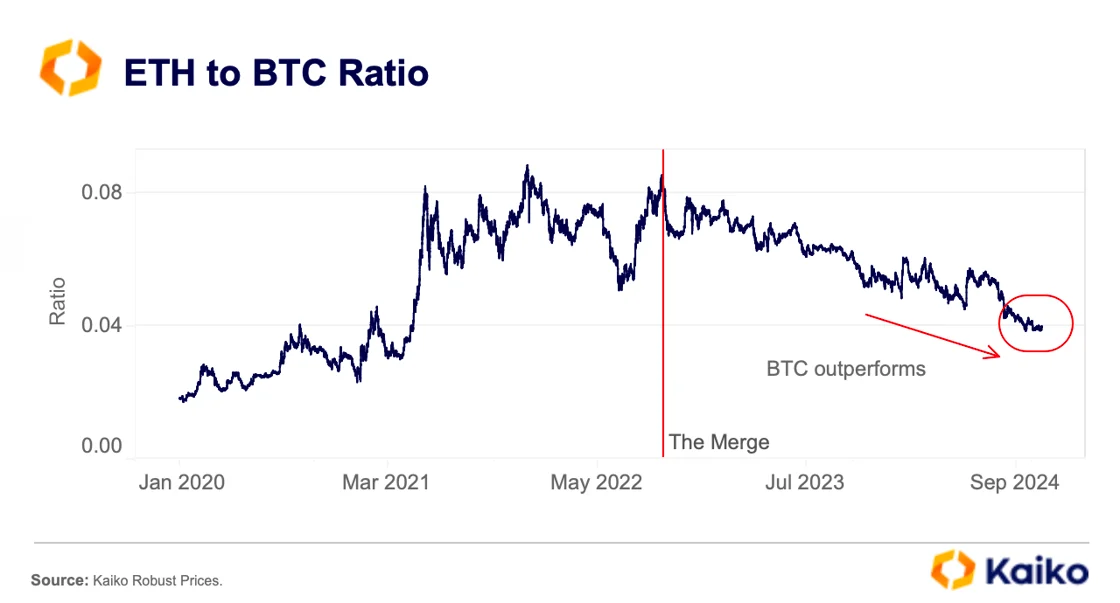
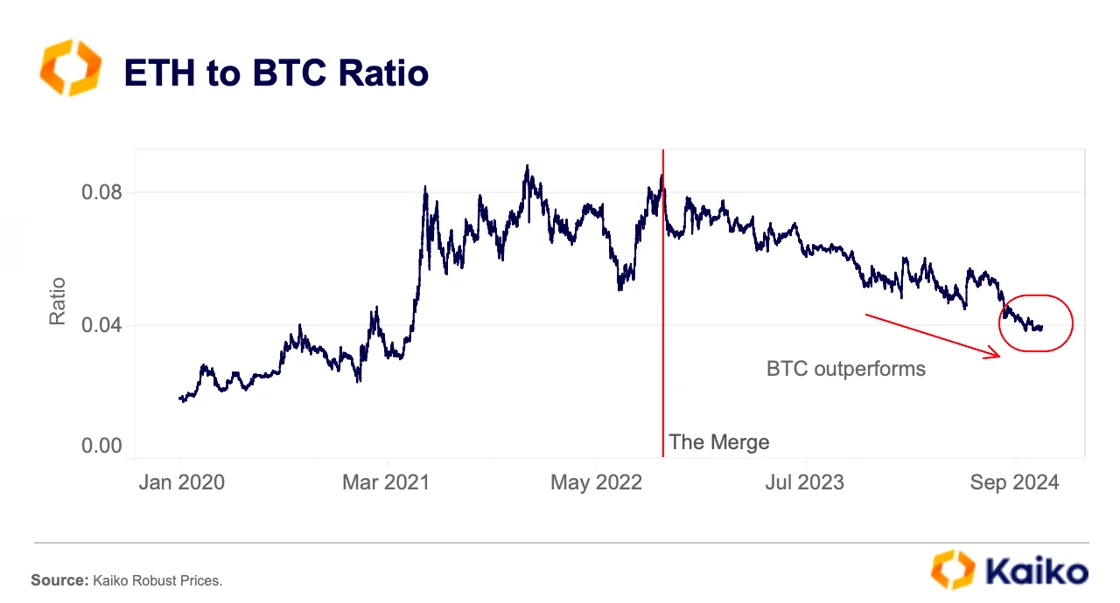
The most immediate indicator of network stress is gas fees. High fees often signal demand for block space, particularly during NFT mints or DeFi arbitrage opportunities. However, looking at the ETH to BTC ratio provides a broader context for Ethereum's relative strength. When this ratio drops, it often indicates that Bitcoin is outperforming Ethereum, a trend worth monitoring as it can signal a shift in market sentiment toward the "store of value" narrative over the "world computer" utility.
Real-time price and charting data
For live market context, tracking the current price of Ether is essential. This widget provides the latest market data for ETH against major fiat currencies.
To understand the technical structure of the market, a daily chart of Ethereum is indispensable. This view helps identify support and resistance levels, momentum shifts, and potential breakout points. Traders use these charts to time entries and exits based on technical indicators rather than speculative noise.
Essential checklist for eth conspiracy strategy
Before committing capital or infrastructure to the Ethereum network, treat your position like a portfolio of technical and economic risks. The "conspiracy" isn't a hidden plot; it's the complex interplay of protocol upgrades, staking incentives, and market liquidity that often gets misinterpreted as opaque governance.
Use this checklist to stress-test your exposure against the current 2026 reality.
If you are solo staking, ensure your hardware meets the Ethereum.org minimum specs for a validator node. In 2026, bandwidth and storage durability are the primary failure points, not just raw compute power. Self-custody removes counterparty risk but increases operational overhead.
If you are using liquid staking tokens (LSTs) like Lido or Rocketpool, understand the smart contract risk. These protocols introduce a layer of centralization and code dependency. Review their slash protection mechanisms and fee structures before allocating.

Ethereum often moves in correlation with Bitcoin but with higher beta. Watch the ETH-BTC ratio for signs of institutional rotation. A sustained breakdown here often signals a shift away from Ethereum's utility narrative toward Bitcoin's store-of-value dominance.

Staking rewards are taxable events in most jurisdictions. Ensure your staking provider issues proper tax forms. For institutional players, verify compliance with MiCA (EU) or SEC guidelines (US) regarding custody and reporting of staked assets.

Ethereum's development is continuous. Track updates on EIP-4844 (proto-danksharding) and future statelessness improvements. These upgrades directly impact transaction fees and network scalability, which are the core value drivers for ETH in the long term.
This checklist is not investment advice. It is a framework for due diligence. The Ethereum ecosystem is robust, but it requires active management to navigate its technical and market realities.
Helpful gear
Use these product recommendations as a starting point, then choose the size, material, and price point that fit how you actually use the gear.



As an Amazon Associate, we may earn from qualifying purchases.
No comments yet. Be the first to share your thoughts!