Define the specific claim
Conspiracy theories thrive on ambiguity. Before you open a block explorer or download a spreadsheet, you must isolate the exact allegation you are investigating. Broad questions like "is Ethereum rigged?" are impossible to verify. Specific questions like "did a specific address move funds to suppress price?" are testable.
Treat your investigation like a legal brief. You need a single, falsifiable hypothesis. If you try to prove everything at once, you will fall into confirmation bias, cherry-picking data points that support your fear while ignoring contradictory evidence. Focus on one event, one wallet, or one price movement per session.
Start by writing down the core narrative in one sentence. For example: "Whale address 0x123... dumped 50,000 ETH on March 1st to trigger a long squeeze." This statement has clear variables: a specific actor, a specific action, a specific time, and a specific outcome. If your claim lacks any of these, it is likely just noise.
Once you have your sentence, strip away the emotional language. Remove words like "manipulation," "scam," or "rigged." Replace them with neutral, observable actions like "large transfer," "sell order," or "price drop." This shift in tone forces you to look at the raw data rather than the story attached to it. Your goal is not to find a villain, but to verify a sequence of events.
Check official foundation statements
When you encounter bold claims about Ethereum’s direction or secret decisions, your first step is to ignore the noise and look for the source. The Ethereum Foundation (EF) and its core contributors, like Vitalik Buterin, maintain specific channels for official communications. Relying on these primary sources prevents you from reacting to rumors or misinterpreted snippets.
Verify the Ethereum Foundation website
The Ethereum Foundation website is the authoritative record for organizational announcements. Look for press releases or blog posts dated around the time of the claim. If a significant event occurred, such as a protocol upgrade or a major partnership, it will be documented here first. Do not rely on secondary news outlets that may misinterpret the technical details.
Check Vitalik Buterin’s official social channels
Vitalik Buterin often addresses community concerns directly on his personal X account and his personal blog. His posts provide context that official press releases might lack. If he has addressed a specific conspiracy theory, his response will be clear and direct. Always verify the account’s verification status to ensure you are reading his actual words and not a parody account.
Review core developer updates
Beyond the foundation’s high-level statements, core developers contribute to Ethereum’s technical roadmap. Their GitHub repositories and public forums are where technical debates and decisions are recorded. If a claim involves a specific code change or protocol feature, checking these developer channels offers the most accurate technical verification. This step helps separate technical reality from speculative fiction.
Cross-reference with reputable crypto news
While official sources are primary, reputable crypto news outlets often provide necessary context. Look for articles that cite official EF statements or quote core developers directly. Avoid outlets that rely on anonymous sources or sensational headlines. Consistency across multiple authoritative sources strengthens the validity of the information.
Document your findings
Once you have gathered information from these primary sources, document your findings. Note the dates, URLs, and specific quotes that support or refute the claim. This creates a clear trail of evidence that you can refer to later. It also helps you avoid falling for the same rumors in the future.
Verify with on-chain evidence
Claims about Ethereum movements or contract interactions are only as strong as the public ledger. Before accepting any narrative, you need to trace the actual transactions. Blockchain explorers like Etherscan provide the raw data needed to separate fact from fiction.

Find the specific Ethereum address (starting with 0x) mentioned in the claim. Paste it directly into Etherscan or a similar explorer. This gives you a full history of incoming and outgoing transactions, allowing you to see where funds originated and where they went.

Don't just look at the final destination. Click into individual transaction hashes to see the full path. Scammers often use multiple intermediate wallets to obscure the source of funds. A single transaction might pass through three or four addresses before reaching its final destination.
If the claim involves a specific token swap or liquidity provision, verify the contract interaction. Look for "Contract Interaction" tabs in the explorer. This reveals exactly which smart contracts were called, helping you identify if the user interacted with a known scam contract or a legitimate protocol.
Use data from reputable academic or security firms to contextualize your findings. For example, research from Georgia Tech has identified billions in illicit profits distributed across specific wallet clusters on Ethereum. If the address you are investigating matches known scam clusters, the claim is likely true.
This process turns speculation into verification. By following the money on-chain, you can confirm whether a transaction actually occurred and whether it aligns with the narrative being presented.
Cross-reference market data
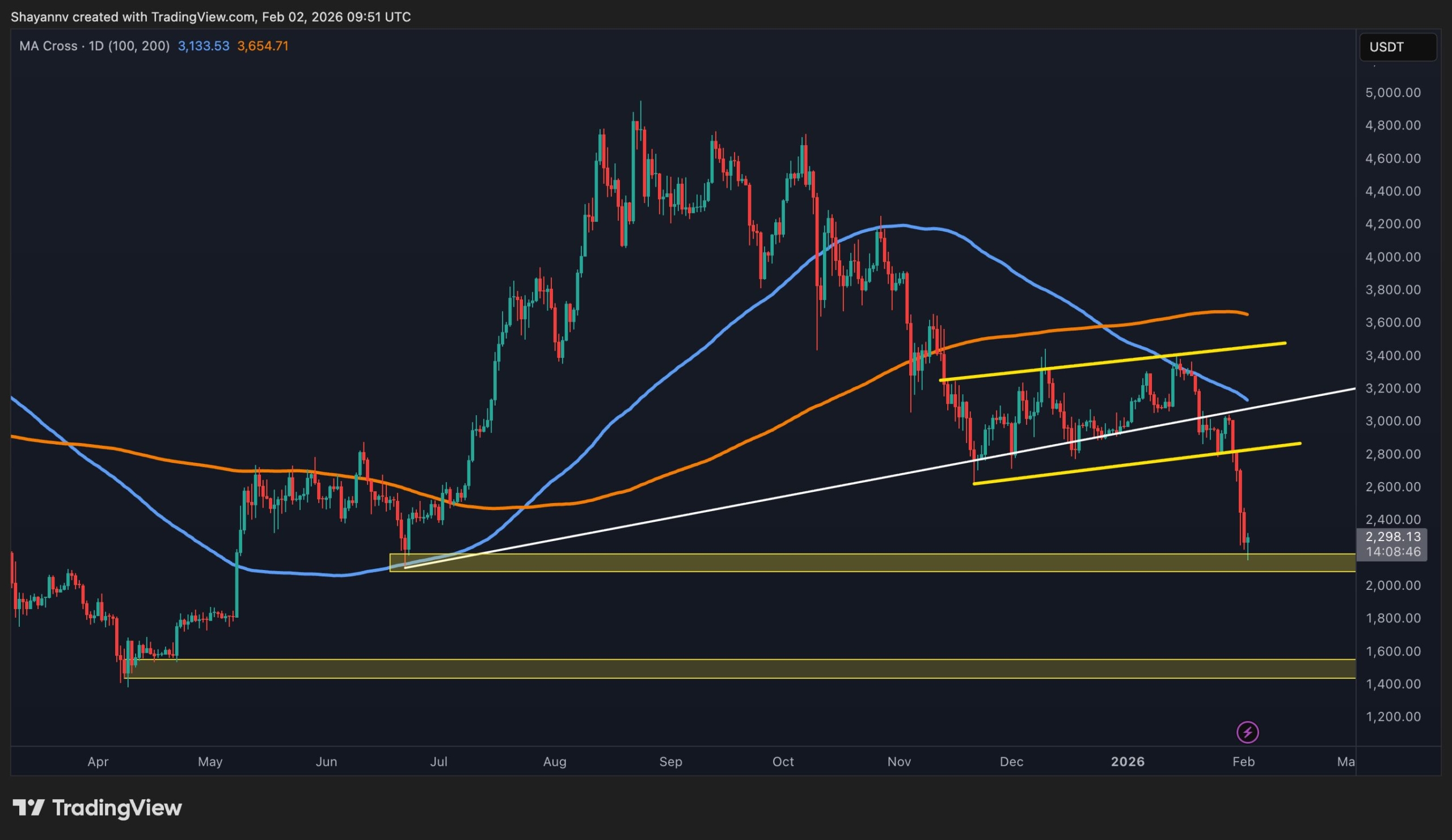
A conspiracy theory gains traction when it aligns with visible market movements, but correlation is not causation. To verify if a narrative is driving price action, you must look beyond the headline number and examine the underlying liquidity and technical structure. If a claim suggests a coordinated dump or pump, the charts should show specific footprints: unusual volume spikes, breakdowns of key support levels, or divergences in momentum indicators.
Start by anchoring your analysis in the current price environment. Use live data to see where Ethereum sits relative to recent volatility ranges. A price widget provides the necessary context to determine if the asset is in a breakout phase, a consolidation period, or a decline. Without this baseline, technical signals are just noise.
Next, compare different data sources to identify discrepancies. Some platforms may show higher volumes due to wash trading, while others reflect genuine institutional interest. The table below outlines how to evaluate the reliability of common market data points when investigating a potential market manipulation claim.
When analyzing these metrics, focus on the monthly and weekly timeframes. Short-term charts are often manipulated by high-frequency trading bots or coordinated social media campaigns. A death cross on the monthly chart, for instance, carries significantly more weight than a bearish candle on the 15-minute chart. If a conspiracy theory relies on a "secret" move, it will eventually show up in the aggregate data of major exchanges and on-chain ledgers. If the data remains silent, the theory is likely unfounded.
Avoid common verification errors
When digging into ETH conspiracy theories, the biggest trap is mistaking correlation for causation. A price dip often coincides with a regulatory rumor, but that timeline doesn’t prove the rumor caused the drop. Without verifying the source, you’re just reacting to noise.
Social media posts are particularly dangerous because they spread faster than facts. A single tweet from an anonymous account can trigger panic selling before any official statement is released. Always wait for confirmation from primary sources like the Ethereum Foundation or verified on-chain data before making moves.
Relying on unverified screenshots or edited charts is another frequent mistake. These visuals can distort the narrative to fit a specific agenda. Stick to raw data from reputable explorers like Etherscan or official announcements to separate signal from the conspiracy noise.
Finalize your research checklist
Before you share your findings or adjust your portfolio, run through this verification sequence. This checklist ensures you rely on on-chain facts rather than narrative speculation.
- Confirm the source: Did the claim originate from an official Ethereum Foundation channel, a verified developer, or a primary on-chain event? If it came from an anonymous forum post, treat it as unverified.
- Check the data: Use Etherscan or similar block explorers to validate transaction hashes or contract interactions. Don't rely on screenshots alone.
- Review the timeline: Ensure the dates and market conditions mentioned align with historical ETH price action and network upgrades.
- Identify the bias: Ask who benefits from the narrative. Is this analysis promoting a specific token, project, or political agenda?
Once you've checked these boxes, you can move forward with confidence. If any step fails, the claim likely lacks substance.
-
Verify source authenticity
-
Validate on-chain data
-
Cross-reference timeline
-
Identify potential bias
No comments yet. Be the first to share your thoughts!