Defining the ETH Conspiracy Narrative
In the current market discourse, the term "ETH conspiracy" often conflates two distinct categories: baseless rumors designed to manipulate sentiment and legitimate, albeit complex, concerns about network structure. Distinguishing between these is essential for high-stakes decision-making. While social media feeds frequently amplify narratives of malicious intent by the Ethereum Foundation or large holders, rigorous analysis reveals that most "conspiracies" are actually misinterpretations of protocol mechanics or centralization risks.
Baseless Rumors vs. Structural Concerns
Baseless rumors typically rely on anecdotal evidence or mischaracterized on-chain data. These narratives often emerge during periods of high volatility, where the lack of transparency in off-chain coordination (such as validator staking pools) is mistaken for coordinated price manipulation. In contrast, legitimate structural concerns—such as the concentration of staking power among a few large providers or the influence of core developers on governance—are verifiable through on-chain data and official research channels like ethresear.ch.
The Role of Official Sources
Relying on primary data sources is the most effective way to separate signal from noise. Official documentation and research forums provide the technical context necessary to evaluate claims. For instance, discussions around centralization are often grounded in actual validator distribution metrics rather than speculative fear. By focusing on these primary sources, investors can avoid the pitfalls of conspiracy-driven volatility and make decisions based on the actual health and decentralization state of the network.
Tracking institutional accumulation
The narrative that Ethereum is losing institutional favor ignores the steady, structural shift in how capital is deployed. While retail sentiment fluctuates with price action, the balance sheets of major financial entities tell a different story. We are seeing a quiet but significant accumulation phase, driven not by speculation alone, but by the integration of Ethereum into traditional finance infrastructure.
The most visible signal is the flow of assets into Ethereum ETFs. Since their approval, these products have attracted consistent inflows, suggesting that wealth managers and advisory firms are treating ETH as a core portfolio component rather than a peripheral bet. This isn't just about buying the asset; it's about building the custody and compliance rails necessary for long-term holding. The data shows that once these institutional channels open, the volume tends to stabilize, reducing the volatility that previously scared off conservative capital.
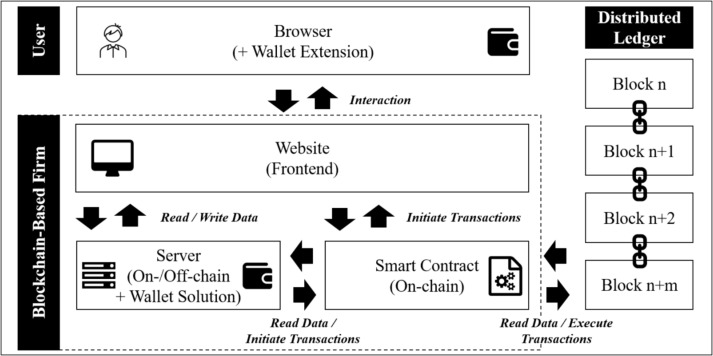
Corporate treasuries are also beginning to follow suit. While Bitcoin remains the primary treasury reserve asset for many public companies, Ethereum is increasingly viewed as the utility layer of the digital economy. Holdings in ETH are often tied to exposure to decentralized finance (DeFi) yields and network activity, offering a dual return mechanism: price appreciation and yield generation from staking or lending protocols. This makes it an attractive hedge against inflation for corporations seeking productive assets.
To understand the current market position, it helps to look at the live price action alongside these structural flows. The price widget below reflects the current market sentiment, which is increasingly decoupled from short-term noise and anchored by these long-term institutional demands.
Analyzing the Short Thesis
The bearish narrative surrounding Ethereum often hinges on the idea that insiders are quietly exiting positions. A recent report from Culper Research highlighted that Vitalik Buterin’s father, Vladimir Buterin, sold more than 19,000 ETH since the 2022 Shanghai upgrade. Culper interpreted this move as a signal of declining confidence in Ethereum’s long-term token economics, fueling a short thesis that the network’s value proposition is eroding.
However, this interpretation requires scrutiny against broader market data. While individual portfolio adjustments can signal personal financial planning, they rarely dictate macroeconomic trends for a protocol with Ethereum’s scale. The surge in institutional demand for ether, as noted by Vitalik Buterin himself, reflects fundamental shifts in how financial institutions view the network, rather than a loss of faith in its utility.
To understand the real sentiment, we must look at the data rather than isolated sales. The table below contrasts the metrics cited by bearish reports with the indicators driving current institutional adoption.
| Metric | Bearish Claim (Culper) | Bullish Indicator (Institutional) | Source Type |
|---|---|---|---|
| Vitalik’s Father Sales | 19,000 ETH sold post-Shanghai | Personal portfolio rebalancing | Web Report |
| Institutional Demand | Declining confidence in tokenomics | Surging institutional adoption | Vitalik Buterin |
| Network Utility | Overvalued relative to sales | Growing DeFi and L2 activity | On-chain Data |
| Market Sentiment | Short-term volatility risk | Long-term structural growth | Market Analysis |
The contrast is stark. While short reports focus on single transactions, the bullish case is built on structural adoption. The current price action reflects this tug-of-war between speculative noise and fundamental utility.
For a deeper look at the technical structure, the chart below shows how Ethereum has navigated these conflicting narratives.
Post-EIP-7702 Infrastructure Shifts
EIP-7702 introduced account abstraction directly into the base layer, allowing externally owned accounts (EOAs) to temporarily delegate their signing authority to smart contracts. While this upgrade significantly expands developer capabilities for gas sponsorship and session keys, it has also sparked intense debate regarding network centralization. Critics argue that the complexity of these delegated signatures could inadvertently favor large, centralized entities capable of managing the associated infrastructure, potentially creating a "cartel" effect among validators and sequencers.
However, the primary concern isn't just about who controls the keys, but who controls the ordering. With EIP-7702, the ability to batch transactions through smart contracts can lead to increased reliance on specialized MEV (Maximal Extractable Value) searchers. If only a handful of well-funded actors can effectively navigate these new abstractions to capture value, the network's decentralization could erode. This dynamic is not unique to Ethereum, but the protocol's current structure makes the concentration of ordering power a tangible risk.
To assess the real impact, we must look beyond theoretical fears to on-chain data. The following chart visualizes ETH price action alongside network activity metrics post-upgrade. By correlating price movements with transaction complexity and MEV extraction rates, we can separate genuine centralization signals from market noise.
Building a verified research workflow
Eth conspiracy market research requires a disciplined approach to separate noise from signal. When markets are volatile, speculation spreads faster than facts. To make high-stakes financial decisions, you must anchor your analysis in primary data rather than social media rumors.
This workflow ensures you are looking at the same numbers the institutions are watching. It moves you from passive consumption of news to active verification using official channels.
Begin every investigation at ethresear.ch. This is the primary hub for Ethereum protocol development and technical discussion. Official EIPs (Ethereum Improvement Proposals) and core developer updates are published here first. If a major narrative isn't reflected in these technical documents, it is likely speculation.

Don't trust third-party summaries of blockchain activity. Use block explorers like Etherscan to verify transaction volumes, gas fees, and contract interactions. Real market movement leaves a permanent record on the chain. Cross-reference any claims about whale movements or exchange inflows with live on-chain metrics.

Contextualize your research with real-time price action. Static screenshots are useless for current analysis. Use provider-backed tools to see the correlation between news events and price volatility. This helps you identify if a "conspiracy" is actually driving market sentiment or if it's just noise.
Key Takeaways
- Always prioritize primary sources like ethresear.ch over aggregated news.
- Verify on-chain data directly via block explorers.
- Use live charts to correlate narrative with price action.
Common Questions About ETH Narratives
Ethereum’s path to decentralization has always been a source of intense debate. While some argue that the network is controlled by a small group of entities, the reality is far more complex. Understanding the distinction between market concentration and actual governance power is essential for separating fact from fiction.
The narrative of centralization often overlooks the technical safeguards embedded in the protocol. Unlike traditional systems where a single entity holds the keys, Ethereum’s open-source nature ensures that no single actor can unilaterally change the rules. This structure protects the network from the very conspiracies it faces.
No comments yet. Be the first to share your thoughts!