Defining the eth conspiracy infrastructure
The term "eth conspiracy infrastructure" is not a call for paranoia; it is a research lens for cutting through market noise. In 2026, the Ethereum ecosystem has shifted from a speculative asset class to a foundational layer for digital settlement. This framework ignores short-term price fluctuations and focuses entirely on on-chain utility, specifically the rapid scaling provided by Layer-2 networks and the steady integration of institutional capital.
When we talk about the "eth conspiracy infrastructure," we are referring to the invisible mechanics that keep the network running without relying on hype. It is the difference between watching a stock ticker and understanding the plumbing of the internet. The primary goal is to identify structural shifts that indicate long-term viability rather than temporary momentum. By treating Ethereum as infrastructure, we prioritize data points like transaction throughput, gas fee stability, and validator decentralization over daily volatility.
This approach requires a disciplined focus on Layer-2 scaling solutions. These networks are not just alternatives; they are the primary drivers of adoption, handling the vast majority of user transactions while settling finality on the main Ethereum chain. Simultaneously, institutional adoption is no longer a trend but a structural reality, with regulated entities leveraging these layers for custody and compliance. Understanding this infrastructure means recognizing that the value of Ethereum lies in its ability to serve as a global, neutral settlement layer, not in its daily price action.
Tracking layer two infrastructure shifts
Ethereum’s mainnet is no longer the primary settlement layer for daily activity. Instead, Layer-2 (L2) networks have become the operational backbone, handling the vast majority of transactions while the base chain focuses on security and data availability. This shift is not just a scaling solution; it is a fundamental restructuring of how value is captured and secured within the ecosystem.
As BlackRock and other institutional players frame Ethereum as a tokenization infrastructure, the role of rollups becomes critical. They blur the direct payoff to ETH by distributing fee capture across multiple L2 operators. This creates a complex web where the "conspiracy" of infrastructure is less about a single chain and more about a distributed network of specialized layers.
To understand this shift, we compare the current state of the major L2 networks. The data shows a clear divergence in how these networks handle value, volume, and fees.
| Network | TVL (USD) | Daily Txns | Fee Model |
|---|---|---|---|
| Arbitrum | $10.5B | 1.5M | Dynamic Gas |
| Optimism | $3.2B | 800K | Base Fee + Premium |
| Base | $2.8B | 2.1M | Flat Rate + Priority |
| zkSync | $1.1B | 400K | ZK Rollup Fees |
This table illustrates the dominance of Arbitrum in total value locked, while Base leads in transaction volume due to its user-friendly onboarding. The fee models vary significantly, reflecting different approaches to capturing value from the underlying ETH. As the infrastructure evolves, the distinction between these layers will continue to blur, making it harder to track where value truly settles.
The move toward L2s is not just about speed; it is about specialization. Each network is carving out a niche, from high-frequency trading on Arbitrum to consumer apps on Base. This fragmentation is the new reality of Ethereum infrastructure, and understanding it is key to tracking the flow of capital in 2026.
Wall Street’s View on Ethereum Infrastructure
The conversation around eth conspiracy infrastructure is shifting from speculative retail narratives to institutional structural analysis. Major financial entities are increasingly viewing Ethereum not merely as a speculative asset, but as the foundational settlement layer for tokenized real-world assets.
Joseph Chalom, former head of digital assets at BlackRock, has articulated this perspective clearly. He describes Ethereum as "the infrastructure" that Wall Street will eventually build upon, signaling a departure from seeing crypto as an isolated ecosystem to recognizing it as complementary financial plumbing.
"For Joseph Chalom, Ethereum (ETH) isn't just another blockchain. It's the infrastructure he believes Wall Street will eventually build on."
This view aligns with broader market analysis suggesting Ethereum is positioned to replace or significantly augment traditional Wall Street infrastructure. The focus is on programmable finance—where smart contracts automate settlements that traditionally required days of back-office reconciliation.
The institutional thesis rests on Ethereum’s ability to handle high-volume, low-cost settlements for tokenized securities. While retail traders often focus on price volatility, institutional players are auditing the network’s capacity to serve as a neutral, transparent ledger for global capital markets.
This structural shift implies that the value of eth conspiracy infrastructure lies in its utility as a settlement layer rather than its role as a currency. As banks and asset managers integrate these protocols, the distinction between traditional finance and blockchain infrastructure continues to blur.
Separating narrative from infrastructure data
Social media trends move fast, but blockchain infrastructure moves slower and leaves a permanent trail. To track real demand for ETH Conspiracy Infrastructure, you need to ignore the noise and look at the on-chain ledger. Whale accumulation and exchange flows tell you where the money is actually going, separate from the hype.
1. Monitor whale accumulation patterns
Large holders often move funds before major shifts occur. Tracking these movements helps you distinguish between short-term speculation and long-term infrastructure commitment. Look for wallets that accumulate over weeks rather than days.
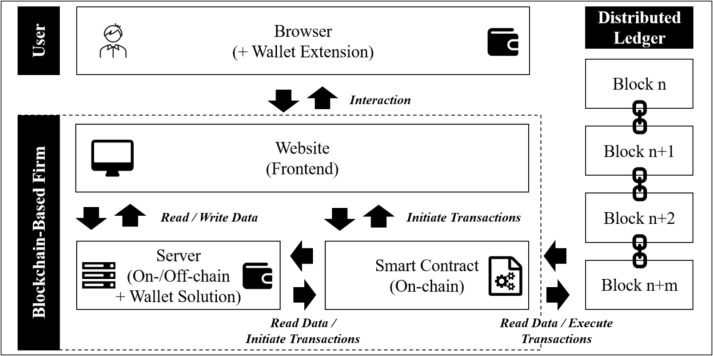
Use on-chain explorers to filter for transactions over a specific ETH threshold. Focus on wallets that have held assets for more than six months. A steady increase in these long-term holdings suggests confidence in the underlying infrastructure, not just a quick flip.
2. Analyze exchange inflows and outflows
When tokens leave exchanges, they are often moving to cold storage or staking contracts. This reduces sell-side pressure and indicates a structural shift in supply. Conversely, large inflows can signal an intent to sell or hedge.
Monitor the net flow of ETH into and out of major centralized exchanges. A consistent trend of outflows supports the thesis of reduced liquidity and higher demand for infrastructure use. Compare this data against social sentiment scores to see if the price action is backed by actual movement.
3. Verify layer-2 activity metrics
Layer-2 solutions are the backbone of modern Ethereum scalability. High transaction volumes on L2s indicate genuine utility and network usage, which drives demand for ETH as gas fees. This is the core of the infrastructure play.
Look at daily active users and transaction counts on major L2s like Arbitrum or Optimism. Rising activity without a corresponding spike in social media mentions often points to organic growth. This data provides a clearer picture of network health than price charts alone.
| Metric | Strong Signal | Weak Signal |
|---|---|---|
| Whale Activity | Long-term accumulation | One-time large transfer |
| Exchange Flows | Consistent outflows | Sudden spike in inflows |
| L2 Volume | Rising daily active users | Bot-driven transaction spikes |
4. Cross-reference with official sources
Always verify your findings against primary data sources. Official Ethereum foundation reports and reputable blockchain analytics firms provide the most accurate picture of network health.
Cross-check your on-chain observations with reports from official Ethereum channels. This step ensures you are not misinterpreting temporary market anomalies as long-term infrastructure trends. Trust the data, not the headlines.
No comments yet. Be the first to share your thoughts!