Defining the "ETH Conspiracy" Narrative
When you see the phrase "ETH conspiracy" in crypto circles, it rarely refers to a coordinated criminal plot. Instead, it describes a cluster of misinformation theories that misinterpret Ethereum's open-source development, governance structure, and funding mechanisms. These narratives often conflate legitimate technical debates with claims of hidden control or secret agendas.
The core of these theories usually targets the Ethereum Foundation or Vitalik Buterin, suggesting that development is centralized or biased. In reality, Ethereum's roadmap is decided through public Ethereum Improvement Proposals (EIPs) and broad community consensus, not behind closed doors. Understanding this distinction is the first step in separating hype from infrastructure.
To cut through the noise, we rely on verified sources like ethereum.org for protocol details and GitHub for actual code changes. By anchoring our analysis in these primary sources, we can evaluate claims objectively rather than reacting to social media rumors.
Tracking the real roadmap milestones
Separating the ETH conspiracy from infrastructure requires looking at what actually shipped, not what was promised. Ethereum’s development is a series of hard-fought technical upgrades that changed the network’s fundamental mechanics. Instead of focusing on speculative price predictions, it helps to anchor your understanding in the verified timeline of these major transitions.
The Merge: Proof of Stake
The most significant shift in Ethereum’s history occurred in September 2022 with "The Merge." This event combined the original Ethereum execution layer with the Beacon Chain, which had been running proof-of-stake consensus since late 2020. The result was a dramatic reduction in energy consumption—estimated at over 99%—and the end of proof-of-work mining. This wasn't just a software update; it was a complete restructuring of how the network achieves security and finality. For a deeper technical breakdown of the consensus mechanisms involved, you can review the official Ethereum documentation on the Merge.
Dencun and Proto-Danksharding
If The Merge was about security, the Dencun upgrade (activated in March 2024) was about scalability. It introduced EIP-4844, also known as proto-danksharding, which significantly lowered costs for layer-2 rollups. By introducing "blobs" of data that are cheaper to store than standard calldata, Dencun reduced transaction fees on networks like Arbitrum and Optimism by over 90%. This upgrade demonstrated how targeted code changes can immediately impact user experience and network economics without waiting for the full roadmap to materialize.
Future Upgrades: Sharding and Beyond
The roadmap continues with full danksharding, which aims to further increase network capacity by sharding the data availability layer. While still in development, the focus is on maintaining decentralization while handling exponentially more transactions. Tracking these milestones on GitHub or Etherscan provides a clearer picture of progress than any conspiracy theory. The infrastructure is evolving steadily, driven by developer consensus rather than market hype.
Verifying infrastructure claims
ETH Conspiracy works best as a clear sequence: define the constraint, compare the realistic options, test the tradeoff, and choose the path with the fewest hidden costs. That order keeps the advice usable instead of decorative. After each step, pause long enough to check whether the recommendation still fits the reader's actual situation. If it depends on perfect timing, unusual access, or a best-case budget, include a simpler fallback.



Spotting common misinformation patterns
The ETH conspiracy guide reveals that false narratives thrive on technical opacity. When people claim "Ethereum is owned by governments" or "Vitalik controls the code," they misunderstand how open-source infrastructure works. These myths often spread because they are simple, emotionally resonant, and easier to digest than the reality of distributed consensus.
The "Vitalik Controls Everything" Myth
A persistent rumor suggests Vitalik Buterin holds unilateral power over the Ethereum network. In reality, he is one contributor among thousands. The core code lives on GitHub, where every change is publicly reviewed by independent developers. Vitalik has no special "kill switch" or override authority. If he tried to push a malicious update, the network nodes would simply reject it. This is not a centralized company; it is a global protocol maintained by volunteers and competing entities.
The "Government Ownership" Claim
Another common fabrication alleges that the Ethereum Foundation or the network itself is a government tool. This ignores the decentralized nature of the blockchain. No single entity, including the Ethereum Foundation, owns the protocol. The Foundation is a non-profit that supports development, but it does not control the chain. Transactions are validated by thousands of independent nodes worldwide, making it nearly impossible for any government to seize or manipulate the network without controlling the majority of global computing power—a feat that is currently impractical.
Why These Myths Persist
Misinformation spreads because complexity breeds uncertainty. When people cannot easily verify how a blockchain works, they fill the gap with dramatic stories. However, the truth is far less sensational: Ethereum is a piece of public software, maintained by a diverse, global community. Understanding this distinction is essential for anyone following the ETH conspiracy guide.
Building your verification checklist
When navigating the noise of an ETH conspiracy guide, a structured checklist is your only reliable shield. Instead of reacting to headlines, you methodically verify claims against primary sources. This approach turns speculation into a solvable problem.
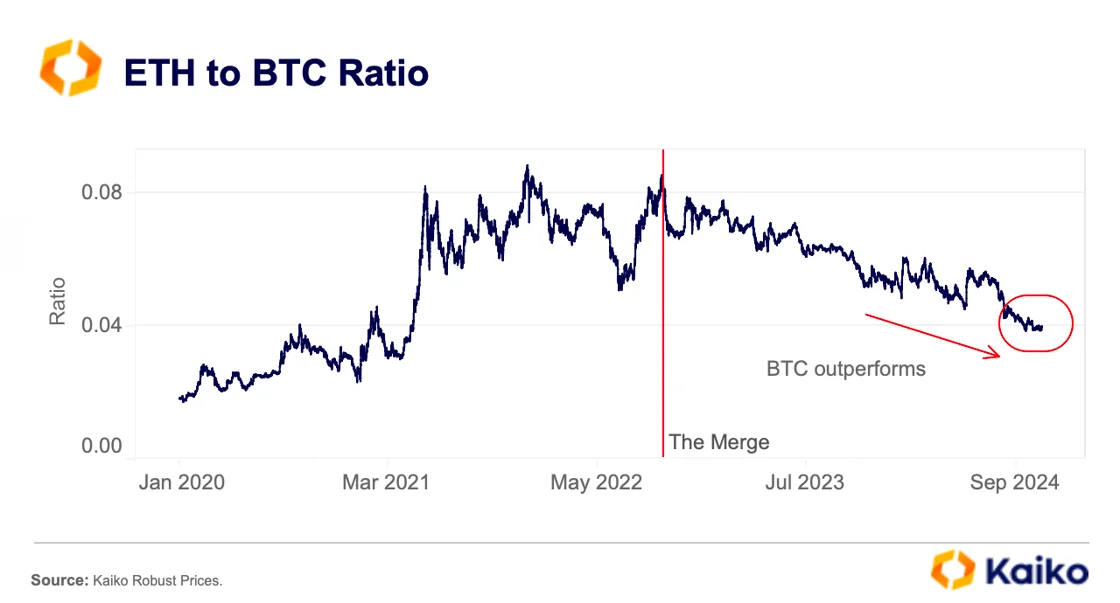

By following these steps, you separate genuine infrastructure shifts from manufactured hype. Always prioritize primary data over narrative.
No comments yet. Be the first to share your thoughts!