Defining the eth conspiracy infrastructure
The term "ETH conspiracy" doesn't refer to a secret cabal or a specific product. It describes the complex, often opaque interplay between Ethereum's base layer, its sprawling Layer 2 (L2) scaling solutions, and the resulting market speculation. For investors, this ecosystem can feel like a maze where liquidity is fragmented and price discovery is distorted by the sheer volume of parallel networks.
At its core, Ethereum is a settlement layer—a secure base for recording transactions. Layer 2s are the scaling solutions built on top of it, processing transactions quickly and cheaply before settling the final data back on Ethereum. This shift has transformed Ethereum from a single chain into a "superchain" of interconnected networks. While this improves scalability, it also creates a fragmented market where assets and liquidity are spread across Arbitrum, Optimism, Base, and others.
This fragmentation is what drives the "conspiracy" narrative. Traders often see price movements that don't align with simple supply-and-demand models. This happens because large holders can move funds between L2s to manage risk or manipulate perceived volume. The market is no longer just about Ethereum's price; it's about the health and activity of dozens of smaller ecosystems that feed into it.
Clarification: This guide analyzes the 'ETH Conspiracy' as a market research framework for understanding L2 fragmentation and price volatility, not a specific product.
To understand this dynamic, you need to look beyond the headline price. Understanding how liquidity flows between the base layer and L2s is critical. It reveals where real value is being created and where speculative bubbles might be forming. This framework helps you see the hidden currents in the market, rather than just the surface waves.
Tracking Layer 2 Infrastructure Shifts
The Ethereum roadmap is moving into "The Surge," a phase dedicated to improving throughput and data availability through Layer 2 (L2) scaling solutions. This shift isn't just a technical upgrade; it fundamentally alters how liquidity is distributed and how users interact with the network. In the "ETH Conspiracy" framework, we view this transition as a move from a monolithic settlement layer to a modular ecosystem where L2s act as specialized execution environments.
This infrastructure change means that the primary value capture is shifting from the base layer to the L2s themselves. Users are no longer competing for block space on Ethereum mainnet for routine transactions. Instead, they are fragmenting across various L2 chains, each with its own fee structure, security model, and total value locked (TVL). Understanding these differences is critical for identifying where capital is flowing and where the next market inefficiencies might arise.
To track these shifts effectively, you need to monitor the comparative metrics of the major L2 solutions. The following table breaks down the current state of the leading networks, highlighting the trade-offs between cost, security, and adoption.
| Network | Security Model | Avg. Tx Fee | TVL Rank |
|---|---|---|---|
| Arbitrum | Optimistic Rollup | <$0.10 | 1 |
| Base | Optimistic Rollup | <$0.05 | 3 |
| Optimism | Optimistic Rollup | <$0.10 | 2 |
| zkSync | ZK Rollup | <$0.05 | 4 |
The data above illustrates a clear divergence in infrastructure strategy. Arbitrum and Optimism rely on optimistic rollups, which assume transactions are valid unless challenged, offering high throughput with slightly higher latency for withdrawals. In contrast, zkSync uses zero-knowledge rollups, which provide cryptographic proof of validity, offering faster finality but requiring more complex cryptographic verification. Base, built by Coinbase, has rapidly gained market share by leveraging its user base, demonstrating how centralized exchanges can accelerate L2 adoption.
For the ETH Conspiracy analyst, these infrastructure shifts are not just background noise; they are the primary drivers of market dynamics. As liquidity fragments across these L2s, arbitrage opportunities and cross-chain bridges become critical points of interest. The security model of each L2 also dictates the risk profile for users, with ZK rollups generally offering stronger security guarantees than optimistic ones. Tracking these metrics allows you to anticipate where user activity will concentrate and where regulatory scrutiny might focus.
Checklist for Monitoring L2 Infrastructure
-
Track daily active addresses across major L2s (Arbitrum, Base, Optimism, zkSync).
-
Monitor TVL trends to identify capital flow between networks.
-
Analyze gas fee volatility to spot potential arbitrage opportunities.
-
Review security audit reports for new L2 deployments or upgrades.
-
Cross-reference on-chain data with social sentiment to gauge user adoption.
Market research strategies for 2026
The ETH Conspiracy isn't just a narrative; it's a framework for decoding how Ethereum's underlying infrastructure shifts price action. To understand the 2026 landscape, you need to look past the noise and track the actual flow of value through Layer 2 networks. This section breaks down the specific on-chain metrics, adoption signals, and regulatory checkpoints that define a robust market research strategy.
Tracking L2 Adoption and Network Health
Ethereum's value proposition in 2026 hinges on its scalability. Layer 2 solutions like Arbitrum, Optimism, and Base are no longer just experiments; they are the primary engines of user activity. When researching, ignore the mainnet transaction count as a primary health indicator. Instead, focus on Layer 2 daily active users and total value locked (TVL).
High L2 activity often precedes mainnet demand. As users migrate to cheaper, faster L2s, the underlying Ethereum layer becomes a settlement and security layer, driving up the demand for ETH as gas and collateral. Monitor L2 ecosystem growth as a leading indicator of broader network adoption.
On-Chain Metrics That Matter
On-chain data provides a transparent ledger of market sentiment and holder behavior. For the ETH Conspiracy framework, three metrics are non-negotiable:
- Exchange Net Flow: Large outflows from exchanges suggest holders are moving assets to cold storage or staking, reducing sell-side pressure. Inflows often signal preparation for selling.
- Staking Ratios: As Ethereum continues its transition, the percentage of ETH staked reflects long-term confidence. Higher staking ratios reduce circulating supply, potentially increasing volatility and price resilience during market downturns.
- Stablecoin Supply Ratio (SSR): This measures the amount of stablecoins relative to ETH supply. A rising SSR indicates growing buying power in the market, often preceding price increases.
Regulatory Signals and Compliance
Regulatory clarity is the final pillar of market research. In 2026, the distinction between securities and commodities is more defined, but enforcement actions still create significant volatility. Track developments from the SEC and CFTC, particularly regarding Ethereum ETFs and staking services.
Positive regulatory signals, such as clear guidelines for institutional custody or approval of new financial products, can drive institutional capital inflows. Conversely, restrictive policies can stifle innovation and limit market growth. Always verify regulatory claims against official government releases rather than media speculation.
Ethereum price forecasts and risks
The Ethereum market is currently trading around $2,134, but the real story lies in the structural shifts happening beneath the surface. While some forecasts suggest a modest rise to roughly $2,206 by May 2026, viewing ETH solely through a short-term price lens misses the broader narrative. The "ETH Conspiracy" isn't about a secret plot; it's about how the network's technical evolution creates a high-stakes environment for investors.
The roadmap ahead—The Surge, The Purge, and The Verge—is designed to scale the network and reduce complexity. These upgrades aim to improve throughput and lower validator requirements, which could fundamentally change ETH's value proposition. However, this transition is not without risk. The technical debt being addressed in "The Purge" is massive, and any delays or bugs in these critical updates could create volatility that outpaces general market trends.
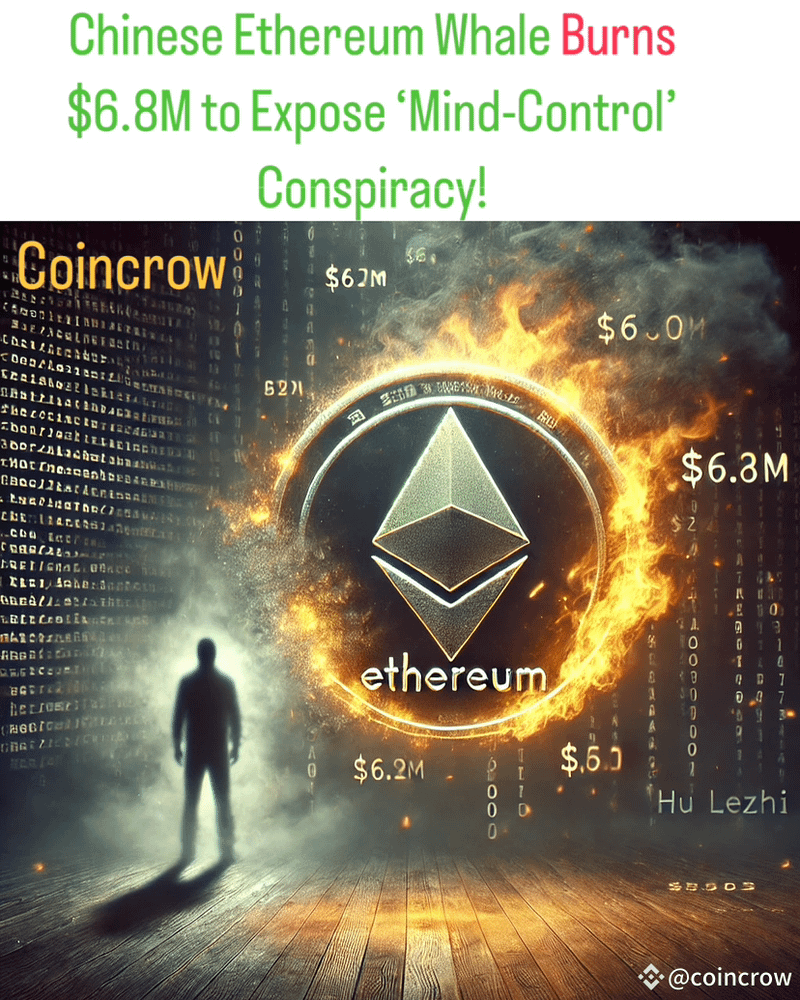
Investing in ETH today is a bet on this engineering timeline. The price forecasts are secondary to the successful execution of the roadmap. If the network scales as planned, the deflationary pressure from reduced issuance and increased utility could support higher valuations. But if the technical hurdles prove insurmountable, the market may punish the asset for failed expectations. This is not just a trade; it's a wager on the future of decentralized infrastructure.
Choosing the right eth conspiracy tools
Tracking L2 infrastructure requires a specific stack of tools. You need to monitor gas fees, transaction throughput, and bridge liquidity simultaneously. The market moves fast, and relying on a single dashboard often leaves you blind to critical shifts in network congestion or liquidity pools.
Start with a provider-backed widget to see the current market pulse. This gives you immediate context on Ethereum's baseline price action, which often dictates the urgency of L2 transactions.
For deeper infrastructure analysis, you need to compare the performance of different Layer 2 networks. A comparison table helps you weigh tradeoffs between speed, cost, and decentralization.
| Network | Type | Primary Use Case |
|---|---|---|
| Arbitrum | Optimistic | DeFi and high throughput |
| Optimism | Optimistic | EVM compatibility and scaling |
| zkSync | ZK-Rollup | Low fees and security |
| StarkNet | ZK-Rollup | High-performance computing |
If you are building a physical setup for research, hardware wallets and reference books are essential for security and foundational knowledge.
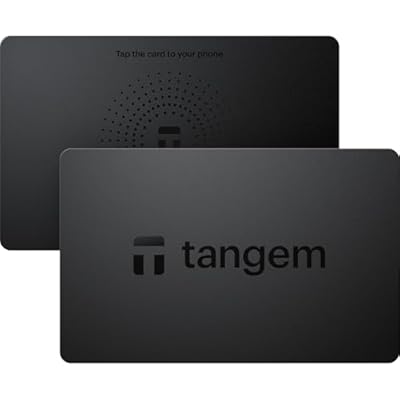
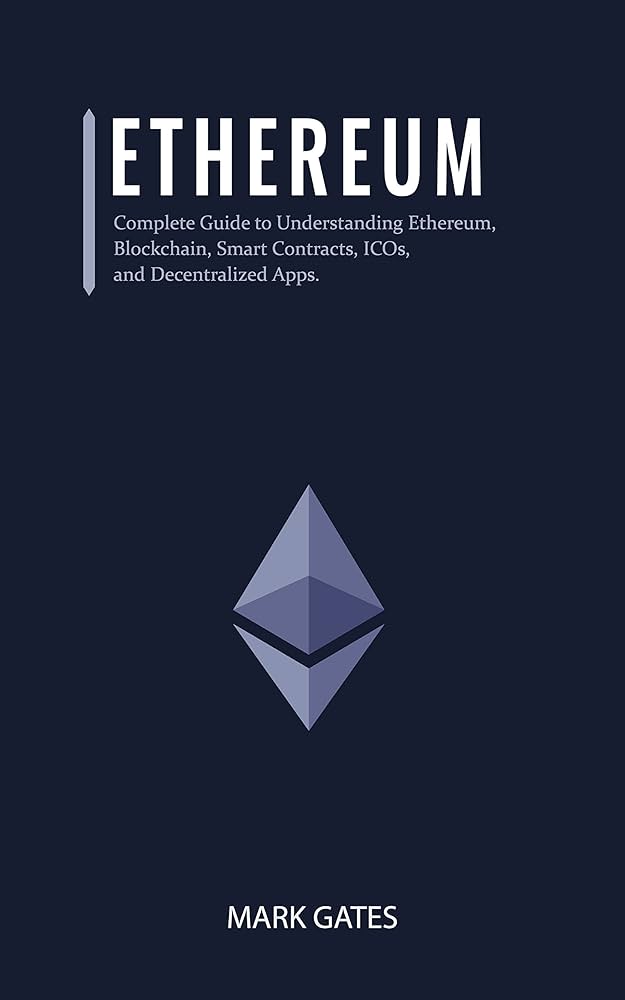
As an Amazon Associate, we may earn from qualifying purchases.
Frequently Asked Questions About ETH
How much will 1 Ethereum be worth in 2026? Price forecasts for 2026 are highly speculative. Current projections suggest modest growth, potentially reaching around $2,200, but these numbers shift rapidly with market sentiment. Always verify live prices via a
before making financial decisions.What coin is considered the Ethereum killer? Projects like Solana (SOL), Cardano (ADA), and Polkadot (DOT) often compete with Ethereum by offering faster transaction speeds or lower fees. However, "killers" rarely replace the entire ecosystem. Instead, they often carve out specific niches while Ethereum dominates the broader Layer 2 and smart contract landscape.
Is it worth putting $100 in Ethereum? For beginners, $100 is a manageable entry point to understand crypto volatility without risking significant capital. Ethereum remains the backbone of decentralized finance and tokenization. Use this amount to learn how wallets and exchanges work rather than expecting immediate wealth.
How much is $1000 in Ethereum 5 years ago? If you had invested $1,000 in Ethereum in 2020, that position would now be worth over $11,000. This historical performance highlights the asset's growth potential, though past results do not guarantee future returns. The market has shifted significantly since the 2020 bull run, with Layer 2 infrastructure now playing a larger role in value capture.**
No comments yet. Be the first to share your thoughts!