Why ETH Conspiracy Analysis Matters Now
Ethereum is navigating a high-stakes transition. The surge in institutional demand for ether reflects fundamental shifts in how capital interacts with the network, yet this growth has been accompanied by a parallel rise in unfounded narratives. These conspiracy theories often obscure the actual mechanics of the protocol, making a rigorous analysis essential to distinguish signal from noise.
The current market environment demands clarity. As Dmitry Buterin has noted, the intersection of crypto-friendly regulatory developments and institutional adoption creates a complex landscape where misinformation can easily take root. We are seeing a shift where technical reality is sometimes overshadowed by speculative fear, particularly regarding governance and supply dynamics.
This section establishes the baseline for understanding those myths. By grounding our analysis in official statements and verifiable data, we can cut through the sensationalism. The goal is not to dismiss skepticism but to replace speculation with evidence, focusing on the actual drivers of Ethereum's 2026 market reality.
The SEC Gaslighting Narrative
The term "ETHGate" emerged as a viral counter-narrative to the SEC’s enforcement actions against Binance and Coinbase. Critics argue that while centralized exchanges faced heavy penalties, Ethereum itself received a "free pass." This framing suggests a coordinated effort to protect decentralized networks while crushing centralized entities. However, this view conflates regulatory strategy with regulatory capture.
The reality is more complex. The SEC has not explicitly declared Ethereum a security, but it has also not provided the clear guidance needed for institutional adoption. This ambiguity has fueled conspiracy theories. Vitalik Buterin and the broader Ethereum community have pointed out the inconsistencies in the SEC’s stance. They argue that treating Ethereum differently from other securities lacks legal foundation.
Consensys, the company behind MetaMask, recently filed a lawsuit against the SEC. The suit alleges that the agency is engaging in an unlawful land grab by asserting jurisdiction over Ethereum without clear statutory authority. This legal challenge directly addresses the "gaslighting" claim, arguing that the SEC is creating confusion to maintain its own relevance.
The distinction matters. If the SEC were truly capturing the Ethereum ecosystem, we would expect explicit protection and favorable rulings. Instead, we see a prolonged period of uncertainty. This uncertainty hurts developers and investors alike. The Consensys lawsuit aims to resolve this by forcing the SEC to define its boundaries.
Until there is clear legislation or a definitive court ruling, the "free pass" narrative will persist. It is a simplification of a complex legal landscape. Understanding the actual legal challenges, like the Consensys suit, provides a clearer picture than viral conspiracy theories.
Vitalik Buterin on foundation myths
When conspiracy theories about Ethereum’s foundation gain traction, the most effective rebuttal comes directly from the source. Vitalik Buterin has addressed these narratives repeatedly, clarifying that the recent surge in institutional demand is not the result of hidden agendas or centralized manipulation. Instead, it is the outcome of fundamental structural shifts in how digital assets are integrated into traditional finance.
The core of the argument rests on utility and infrastructure. Buterin emphasizes that institutions are not accumulating Ether based on opaque internal directives. They are responding to the network’s evolving capabilities as a settlement layer for real-world assets and decentralized applications. This shift mirrors the transition from early internet speculation to practical enterprise adoption.
"The surge in institutional demand for ether is the result of several fundamental shifts... It is driven by the network's growing utility and the maturation of its infrastructure, not by any centralized control or hidden narrative."
— Vitalik Buterin
This perspective dismantles the myth of the "foundation" as a shadowy operator. The Ethereum Foundation operates as a decentralized research and development entity. Its role is to support protocol upgrades and academic research, not to steer market sentiment or manipulate treasury strategies. The distinction between protocol development and market behavior is critical for understanding the current landscape.
Institutional adoption is further validated by the actions of other key figures in the ecosystem. Joe Lubin, co-founder of Consensys, has discussed Ethereum's treasury strategy on major financial platforms like CNBC's Squawk Box. These discussions focus on transparency and long-term value accrual, reinforcing the idea that the market is driven by tangible utility rather than conspiracy.
Market Reality Check
To separate fact from fiction, it helps to look at the current market data. The price action and trading volume reflect genuine institutional interest, not speculative bubbles fueled by misinformation.
Reading the charts for 2026
It is easy to get lost in the noise of conspiracy theories and price predictions. The charts, however, do not care about narratives. They only show what is happening. For Ethereum, the data points to a specific reality that is different from the hype. We need to look at the raw technical signals to understand where the market is actually heading.
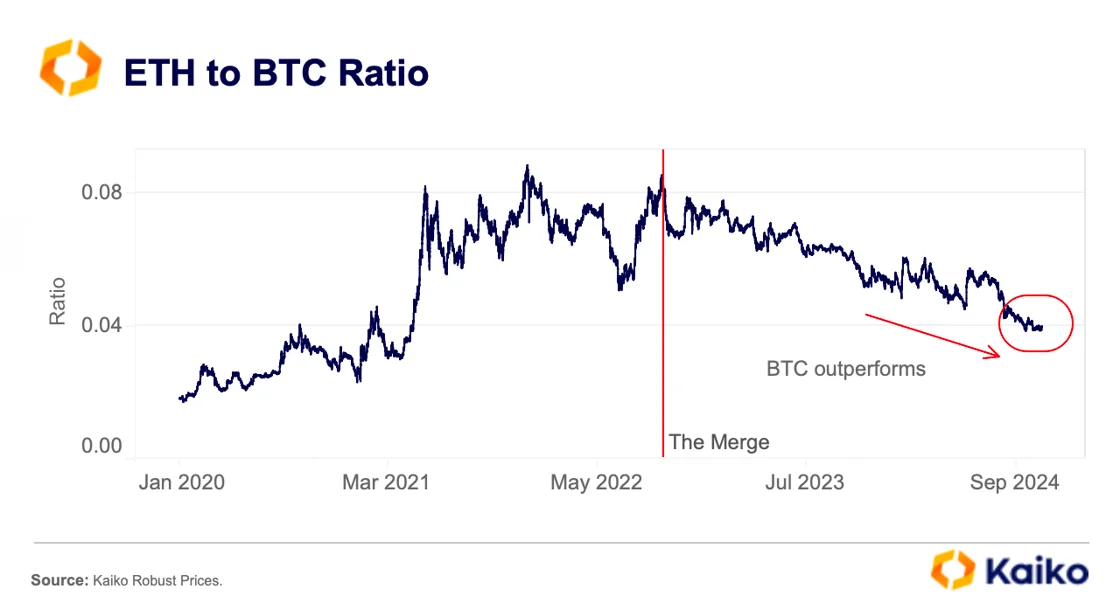
ETH/BTC ratio signals a shift
The most telling chart is not just ETH against the dollar, but ETH against Bitcoin. The ETH/BTC ratio has been in a long-term decline, but recent price action suggests a potential floor. This ratio acts as a barometer for Ethereum's relative strength. When it stabilizes or turns upward, it often precedes broader market leadership for ETH. The current structure shows consolidation, hinting that the bearish pressure may be exhausting.
Key support levels matter
Support levels are not random lines. They are clusters of buy orders where institutional investors and long-term holders have stepped in. For 2026, the critical support zone is defined by previous accumulation areas. If ETH holds these levels, it creates a base for growth. If it breaks below, the downside risk increases significantly. The technical setup favors a range-bound scenario unless volume spikes to confirm a breakout.
What the weekly trend says
On the weekly timeframe, Ethereum is showing signs of decoupling from short-term volatility. The moving averages are beginning to flatten, which often happens before a major trend change. This is not a call for immediate action, but a signal to watch. The data suggests that patience is rewarded here, as the long-term trend remains intact despite recent choppy price action.
Infrastructure vs. Viral Hoaxes
The crypto narrative is often hijacked by sensationalist stories that distract from the actual engineering work happening under the hood. While viral hoaxes capture headlines, they rarely move the needle on network security or adoption. Real value in Ethereum comes from technical robustness and verified milestones, not the drama of unverified claims.
The $1.3M Burn Myth
A recent viral story claimed that $1.3 million in ETH was burned in a single transaction to send a message about "brain-computer interfaces." Blockchain analysts quickly debunked this as a misinterpretation of a routine transaction, yet the story spread rapidly across social media. This type of content thrives on ambiguity and fear, creating noise that drowns out substantive discussion about protocol upgrades.
The Antithesis Verification
In contrast, the transition to Proof of Stake was secured through rigorous, transparent testing. Antithesis, a formal verification company, helped Ethereum developers ensure the Merge's success by mathematically proving the correctness of the consensus layer code. This work was not sensational, but it was critical. It demonstrates how real infrastructure shifts rely on peer-reviewed science and official source validation rather than speculative theories.
Reality Check
| Feature | Viral Hoax Claim | Verified Infrastructure |
|---|---|---|
| Source | Anonymous social media posts | Official developer logs & audits |
| Impact | Short-term price volatility | Long-term network stability |
| Verification | Unverified, often debunked | Mathematically proven |
| Outcome | Distracts from real progress | Secures the protocol |
The difference is clear: one seeks attention, the other seeks truth. As we look toward 2026, the market will reward projects that prioritize these verified, technical advancements over fleeting viral moments.
| Feature | Viral Hoax | Verified Infrastructure |
|---|---|---|
| Source | Anonymous social media posts | Official developer logs & audits |
| Impact | Short-term price volatility | Long-term network stability |
| Verification | Unverified, often debunked | Mathematically proven |
| Outcome | Distracts from real progress | Secures the protocol |
No comments yet. Be the first to share your thoughts!