What is the Ethereum Infrastructure Playbook?
The Ethereum infrastructure playbook is a practical guide to understanding how Ethereum scales and integrates with the real world. It moves beyond simple price speculation to focus on the technical layers that make Ethereum usable for developers and investors alike.
Think of Ethereum as an "app store" for decentralized applications. The base layer is secure but slow. The playbook explains how Layer 2 networks and real-world asset (RWA) integrations act as the operating system that makes these apps run efficiently.
This guide breaks down the three main components: Layer 2 scaling solutions like Arbitrum and Optimism, the bridge to real-world assets, and the underlying consensus mechanisms. We will compare these approaches to help you decide which infrastructure plays offer the most utility in 2026.
Ethereum tradeoffs: scaling, security, and decentralization
Ethereum’s architecture is defined by the "trilemma": balancing scalability, security, and decentralization. You cannot maximize all three simultaneously. Layer 1 (L1) prioritizes security and decentralization, while Layer 2 (L2) rollups prioritize scalability. Understanding these tradeoffs is essential for choosing the right infrastructure play in 2026.
Layer 1: The Settlement Layer
Ethereum L1 serves as the global settlement layer. It offers the highest level of security and decentralization, hosting the most value and the most critical smart contracts. However, this comes at the cost of high gas fees and low transaction throughput. L1 is best for final settlement, large-value transfers, and assets requiring maximum censorship resistance. It is not suitable for high-frequency trading or micro-transactions.
Layer 2: The Scalability Solution
Layer 2 networks, such as Arbitrum, Optimism, and Base, process transactions off-chain and submit compressed data to L1. This dramatically reduces costs and increases speed. The tradeoff is a slight reduction in decentralization, as L2s rely on L1 for final security and often have centralized sequencers. L2s are ideal for DeFi, gaming, and high-volume applications where cost efficiency is paramount.
Comparison: l1 vs. l2 choices that change the plan
| Feature | Ethereum Layer 1 | Layer 2 Rollups |
|---|---|---|
| Security | Maximum (Direct L1) | High (Relies on L1) |
| Decentralization | Maximum | Moderate (Sequencer risk) |
| Transaction Cost | High ($5–$50+) | Low ($0.01–$0.10) |
| Throughput | Low (~15–30 TPS) | High (1,000+ TPS) |
| Best For | Settlement, Store of Value | DeFi, Gaming, Payments |
Decentralization vs. Efficiency
The core tension in Ethereum’s roadmap is between efficiency and trust minimization. Centralized sequencers on L2s offer speed but introduce single points of failure. Decentralized sequencers improve censorship resistance but add latency. As the ecosystem matures, the choice between L1 and L2 will depend on your specific use case: maximum security for institutional assets, or maximum efficiency for consumer applications.
How to choose your next Ethereum infrastructure step
Choosing the right layer or tool depends on your specific goal: speed, cost, or asset compatibility. There is no single "best" platform. The decision comes down to matching your use case to the current tradeoffs of each solution.
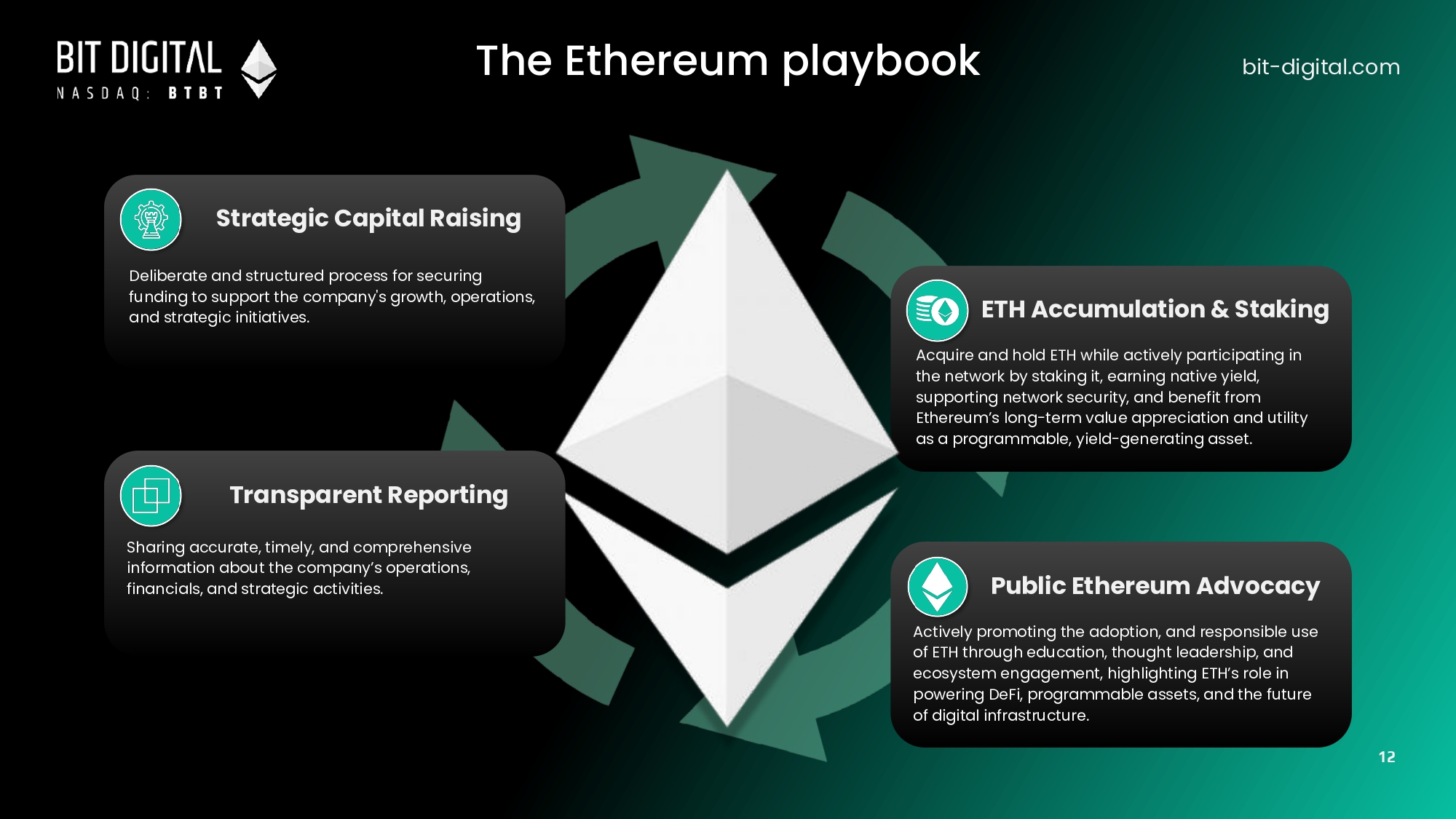
Mainnet is the settlement layer. It offers the highest security but highest cost. Use it for high-value transactions or final settlement where downtime is not an option. It is the baseline for all other solutions.
Layer 2 networks like Arbitrum or Optimism process transactions off-chain and post results to Ethereum. They offer near-instant speeds and fractions of a cent in fees. This is the standard for DeFi, gaming, and everyday dApp interactions.

RWAs require regulatory compliance and institutional-grade security. Ethereum Mainnet and its specialized L2s (like Base or Unichain) are currently preferred for tokenized treasuries and real estate due to their deep liquidity and legal clarity.
Decision framework at a glance
| Use Case | Recommended Layer | Primary Benefit | Primary Tradeoff |
|---|---|---|---|
| High-Value Settlement | Ethereum Mainnet | Maximum Security | High Gas Fees |
| DeFi & Gaming | Arbitrum / Optimism | Low Cost & Speed | Bridge Risk |
| NFTs & Social | Base / zkSync | User Experience | Newer Ecosystem |
| Institutional RWAs | Base / Mainnet | Compliance & Liquidity | Centralization |
Final checklist for your decision
-
Define your priority: Is it speed, cost, or security?
-
Check liquidity: Does the target chain have enough volume for your trade size?
-
Verify bridge security: If using an L2, understand the bridge's risk profile.
-
Test with small amounts: Always run a test transaction before committing significant capital.
Spotting Weak Options and Misleading Claims
The Ethereum ecosystem moves fast, and with that velocity comes a wave of marketing fluff. As you evaluate Layer 2 solutions and real-world asset (RWA) integrations, it is easy to get swept up in promises of infinite scalability or guaranteed yields. The reality is more nuanced. You need to look past the hype and scrutinize the actual trade-offs.
Common Misleading Claims
Many projects claim "Ethereum-level security" without explaining the caveats. Security in L2s often relies on different assumptions, such as the honesty of sequencers or the availability of data on L1. Always check if a project posts its data to Ethereum calldata or blobs. If they don't, you are trusting a centralized operator, not the blockchain. Similarly, RWA projects often highlight yield without mentioning the counterparty risk of the underlying asset issuer. High yield usually means high risk of default, not just network fees.
Weak Options to Avoid
Not all scaling solutions are created equal. Some L2s prioritize speed over decentralization, making them vulnerable to censorship or single points of failure. Look for projects that are actively participating in the Ethereum Improvement Proposal (EIP) ecosystem and contributing to open-source tooling. Avoid platforms that rely on proprietary, closed-source infrastructure for critical functions like fraud proofs or state roots. These are red flags that suggest the project is building a walled garden rather than a robust layer of the Ethereum stack.
The Real Trade-offs
The choice often comes down to a spectrum: speed versus decentralization. Rollups offer speed but require trust in the operator until the dispute window closes. Validiums offer even higher throughput but sacrifice data availability, making withdrawals slower and more complex. There is no perfect solution. You must decide which risk you are willing to accept based on your specific use case. For high-frequency trading, speed might outweigh decentralization concerns. For long-term value storage, security and data availability should be paramount.
Eth conspiracy: what to check next
Investors often look for hidden agendas or guaranteed outcomes in crypto. The reality is simpler: Ethereum is a volatile technology stack, not a fixed financial product. Below are direct answers to the most common practical questions about price history, competition, and future targets.
These questions highlight the difference between short-term price speculation and long-term infrastructure value. Ethereum’s price is driven by both technical upgrades and market sentiment. Understanding the difference helps you avoid common conspiracy narratives and focus on actual network metrics.
No comments yet. Be the first to share your thoughts!