The infrastructure limits to account for
The "eth conspiracy" narrative often stems from a misunderstanding of how Ethereum’s security model actually works. Rather than being owned by any single entity or controlled by a central authority, Ethereum’s infrastructure is secured by a vast, decentralized network of validators. This distinction is critical for institutional adoption and market stability.
Ethereum’s security budget has grown significantly. According to the Ethereum Foundation’s 2026 institutional overview, the network is secured by approximately $76 billion in staked ETH. The cost to finalize a fraudulent transaction is estimated at around $50.7 billion, creating a formidable economic barrier against attacks. This is not a theoretical safeguard; it is a mathematical reality enforced by thousands of independent operators worldwide.
Wall Street has begun to recognize this structural integrity. Former BlackRock executive Joseph Chalom has described Ethereum as the foundational infrastructure for institutional finance, rather than just another speculative asset. This shift in perception is driving the current market research and strategic upgrades, moving the conversation from conspiracy to compliance.
Ethereum infrastructure choices that change the plan
Evaluating Ethereum’s role in institutional finance requires looking past the narrative to the concrete mechanics of security, cost, and compliance. The transition from a decentralized experiment to Wall Street’s invisible backbone [1] introduces specific tradeoffs that infrastructure teams must weigh before committing capital or data.
Security remains the primary asset. With roughly $76 billion in staked ETH securing the network, the economic cost to finalize a fraudulent transaction has risen to approximately $50.7 billion [2]. This creates a high barrier to entry for attackers, but it also centralizes influence among large stakers. Institutions must decide if this level of economic security outweighs the potential risks of validator concentration.
Compliance is the second major hurdle. Traditional financial institutions cannot simply plug into a permissionless chain without risking regulatory penalties. UBS has demonstrated that it is possible to enforce institutional-grade compliance controls at the infrastructure layer without altering Ethereum’s core protocol [3]. This suggests that privacy and regulatory adherence can coexist, but it requires sophisticated, often expensive, technical solutions.
The table below compares the primary tradeoffs between using Ethereum as a neutral settlement layer versus building proprietary private chains.
| Factor | Public Ethereum | Proprietary Private Chain |
|---|---|---|
| Security Model | High economic security ($50B+ attack cost) | Dependent on internal IT resources |
| Compliance | Requires external privacy layers | Built-in by design |
| Cost | Variable gas fees (volatile) | High fixed infrastructure costs |
| Control | Shared governance (decentralized) | Full internal control |
| Interoperability | Native cross-chain bridge potential | Siloed; requires bridges to connect |
The choice ultimately depends on the institution’s risk tolerance. Public Ethereum offers unparalleled security and liquidity but demands robust compliance tooling. Private chains offer control but lack the network effects and economic security of the mainnet. For most traditional finance entities, the hybrid approach—using public Ethereum for settlement while layering compliance tools—is becoming the standard model.
Turn Research Into a Decision Framework
Ethereum has shifted from a speculative asset to institutional infrastructure. The cost to finalize a fraudulent transaction now sits at roughly 50.7 billion dollars, backed by 76 billion dollars in staked ETH. This security model supports the claim that Ethereum is the foundational layer for Wall Street, according to former BlackRock executive Joseph Chalom. To navigate this landscape, you need a practical checklist rather than abstract theory.
Start by checking the total value staked and the cost of a 51% attack. If the security budget has not grown proportionally with TVL (Total Value Locked), the network remains vulnerable. Use official Ethereum blog data to confirm these figures rather than relying on third-party aggregators that may lag.
Look for tangible infrastructure partnerships. Is major finance building on Ethereum? References to Ethereum as "the infrastructure" for Wall Street indicate a shift from speculation to utility. Verify these claims through official announcements from firms like BlackRock or major banks to avoid hype-driven narratives.
Institutional adoption depends on regulatory stability. Track how governments are classifying staked ETH and whether new frameworks support neutral, permissionless settlement. Avoid decisions based on rumors about specific political figures owning Ethereum; focus on the legal status of the protocol itself.

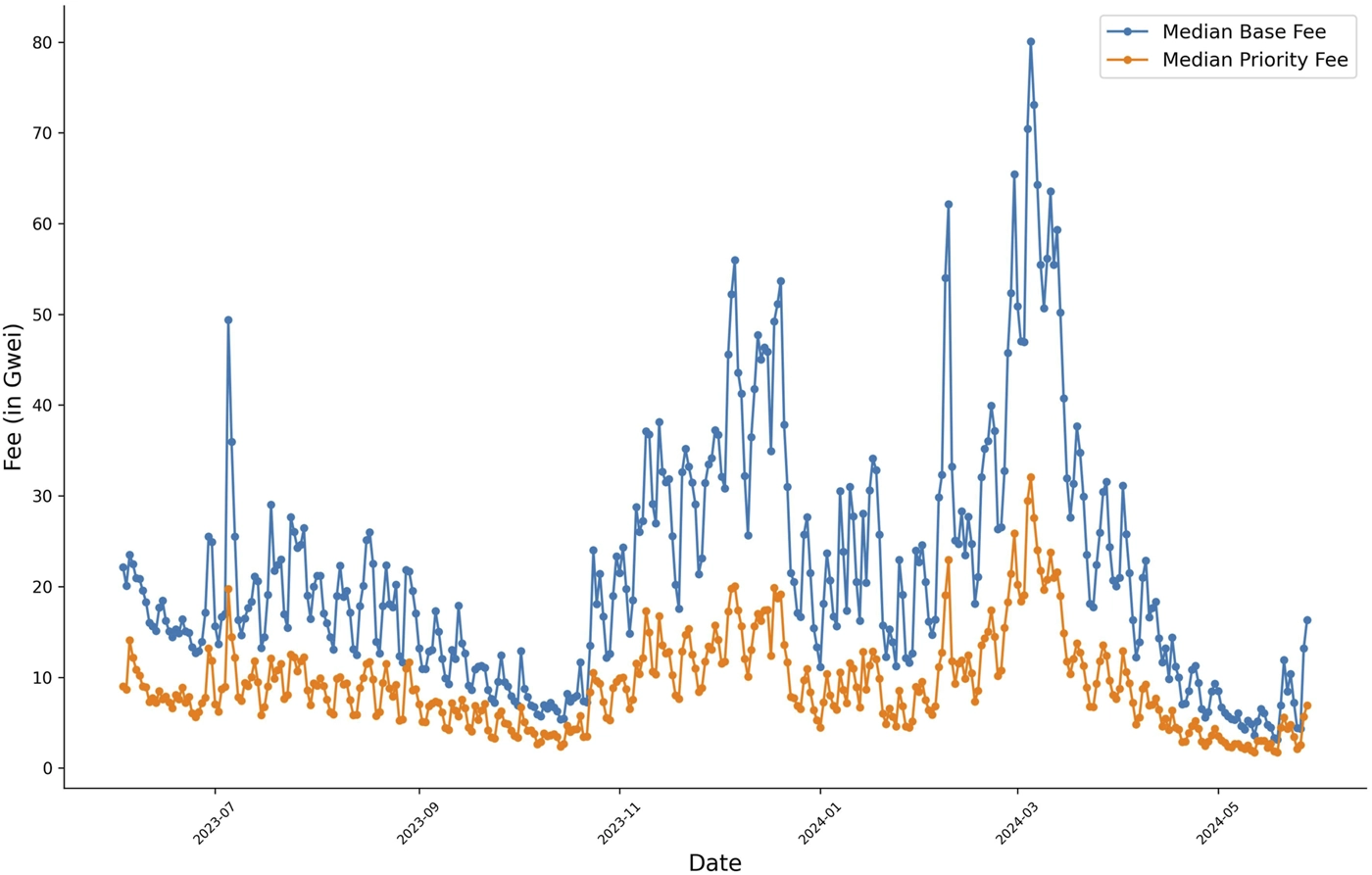
Review the roadmap for scalability and cost reduction. Infrastructure upgrades like proto-danksharding reduce fees for users, making the network viable for mass adoption. Compare the current transaction costs against historical data to see if the network is becoming more accessible or if congestion persists.
Before committing capital, verify all data sources. Cross-reference staking yields, security costs, and adoption metrics with the Ethereum Foundation’s official blog. If a claim cannot be traced to a primary source, treat it as noise. This due diligence separates strategic investment from conspiracy-driven speculation.
Identifying Weak Options in Ethereum Infrastructure Research
When analyzing Ethereum for institutional adoption, distinguishing between genuine infrastructure upgrades and speculative noise is critical. Misleading claims often obscure the actual utility of the network, leading to poor strategic decisions. This section outlines common mistakes and how to verify claims against official sources.
Mistake 1: Confusing Ownership with Development
A frequent error in market research is attributing Ethereum’s development to specific individuals or entities like Elon Musk or Donald Trump. Ethereum is a decentralized protocol maintained by a global community of developers, not a company owned by any single person. Vitalik Buterin, a co-founder, is not a billionaire in the traditional sense of holding equity in a centralized firm; his wealth comes from personal holdings of ETH, the native token of the network. Verifying ownership claims against official Ethereum Foundation documentation prevents this confusion.
Mistake 2: Overestimating Short-Term Utility
Another weak option is focusing solely on price speculation rather than infrastructure metrics. Ethereum’s value lies in its security and decentralization, with approximately $76 billion in staked ETH securing the network. The cost to finalize a fraudulent transaction is estimated at billions of dollars, highlighting its robustness. Investors should look for evidence of institutional adoption, such as BlackRock executives referring to Ethereum as "the infrastructure" for Wall Street, rather than relying on unverified price predictions.
Mistake 3: Ignoring Historical Context
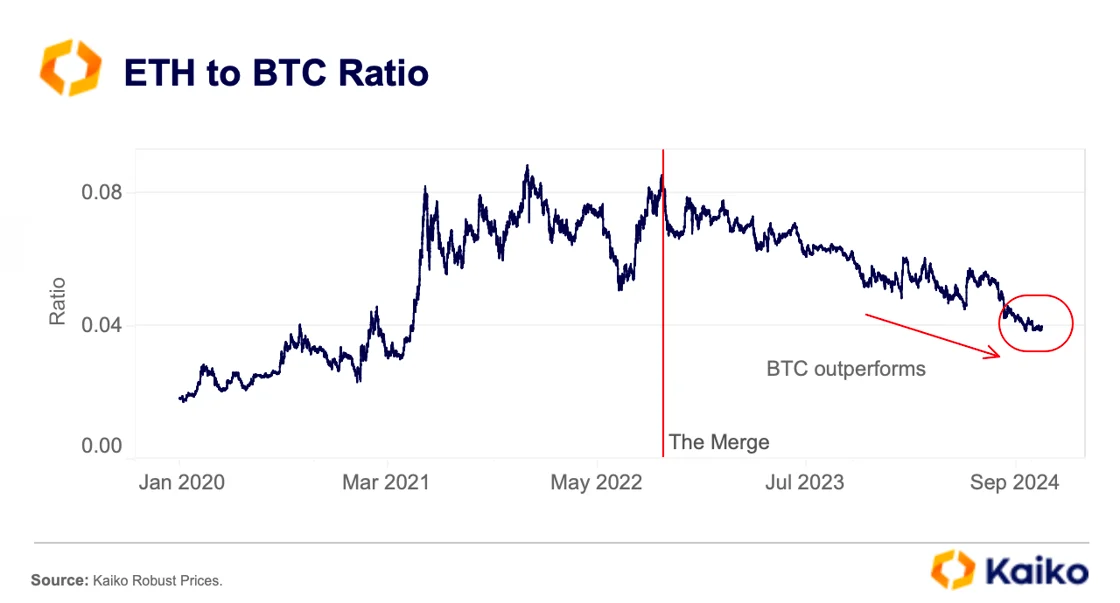
Assuming current market conditions reflect long-term trends is a common mistake. For instance, asking what would happen if you invested $1,000 in Ethereum ten years ago yields a different answer than analyzing current staking yields. Historical performance does not guarantee future results, especially in a market driven by technological upgrades like The Merge. Always cross-reference historical data with current technical charts and official upgrade roadmaps to avoid outdated conclusions.
Eth conspiracy infrastructure: what to check next
The narrative around Ethereum’s governance often conflates its open-source nature with corporate ownership. Below are the practical answers to the most common inquiries regarding control, ownership, and historical performance.
No comments yet. Be the first to share your thoughts!