
Defining the ethereum conspiracy narrative
The term "ETH conspiracy" has become a catch-all phrase in crypto discourse, often conflating two very different realities: legitimate regulatory friction and baseless market manipulation theories. To understand the current climate, we must separate the documented legal battles from the speculative noise that thrives in social media echo chambers.
At its core, the "conspiracy" narrative often stems from a misunderstanding of how Ethereum operates. Critics sometimes point to the Ethereum Foundation’s development process or the role of core developers as evidence of a centralized cabal controlling the network. However, Ethereum is an open-source protocol. Its updates are proposed, debated, and implemented by a global community of contributors, not a single entity with a hidden agenda. The idea that a small group can quietly manipulate the protocol without detection ignores the transparent, public nature of blockchain code and governance.
A more grounded interpretation of the "conspiracy" involves regulatory opacity. As Buterin and other industry leaders have noted, the lack of clear guidelines from agencies like the SEC creates an environment where uncertainty flourishes. This isn't a secret plot; it's a regulatory vacuum. When rules are ambiguous, market participants fill the void with speculation, and speculation often takes the shape of conspiracy theories. The recent lawsuit filed by ConsenSys (co-founded by Joe Lubin) against the SEC highlights this tension, arguing that the regulatory body’s inconsistent stance is "gaslighting" the industry.
It is crucial to distinguish between these two categories. Regulatory challenges are documented in public filings and court records. They are complex, yes, but they are not secret. On the other hand, theories about hidden market manipulation or coordinated price suppression lack empirical evidence. They thrive on fear and misunderstanding. By focusing on the tangible legal and technical realities, we can cut through the noise and address the actual issues facing Ethereum today.
Tracking Institutional Demand Shifts
The narrative that Ethereum’s price is artificially suppressed often ignores the structural changes in how institutions hold the asset. To separate fact from fiction, you need to look at on-chain data and regulatory filings rather than social media speculation. The surge in institutional demand for ether is the result of several fundamental shifts, including the approval of spot ETFs and the integration of Ethereum into traditional finance infrastructure.
Vitalik Buterin has addressed these conspiracy theories directly, noting that the market’s evolution is driven by genuine utility and adoption, not coordinated suppression. When you analyze the actual flow of funds, the picture changes. Institutional investors are not just trading; they are accumulating for long-term yield and staking rewards, which removes supply from circulating markets.
To contextualize the current market sentiment, it is helpful to look at live price data alongside institutional inflows. The following widget shows the current price of Ethereum, providing a real-time baseline for understanding market movements.
When comparing different institutional products, the distinction between simple exposure and yield-generating holdings becomes clear. The table below outlines the key differences between common institutional vehicles.
| Product Type | Primary Exposure | Yield Potential |
|---|---|---|
| Spot ETF | Direct ETH price appreciation | None |
| Staking Trust | ETH price + staking rewards | Variable (network-dependent) |
| DeFi Lending | ETH as collateral | Market-driven lending rates |
Analyzing regulatory gaslighting claims
Use this section to make the ETH Conspiracy Analysis decision easier to compare in real life, not just on paper. Start with the reader's actual constraint, then separate must-have requirements from details that are merely nice to have. A practical choice should survive normal use, maintenance, timing, and budget. If a recommendation only works in an ideal situation, call that out plainly and give the reader a fallback path.
The simplest way to use this section is to write down the must-have criteria first, then compare each option against those criteria before weighing nice-to-have features.
How to Spot Coordinated Manipulation
Distinguishing legitimate market analysis from coordinated inauthentic behavior requires looking at the network, not just the narrative. Manipulators often rely on "astroturfing"—creating the illusion of grassroots support—to push specific narratives or drive price action in assets like Ethereum. By understanding the mechanics of these campaigns, you can separate signal from noise.
Check for Bot-Like Repetition
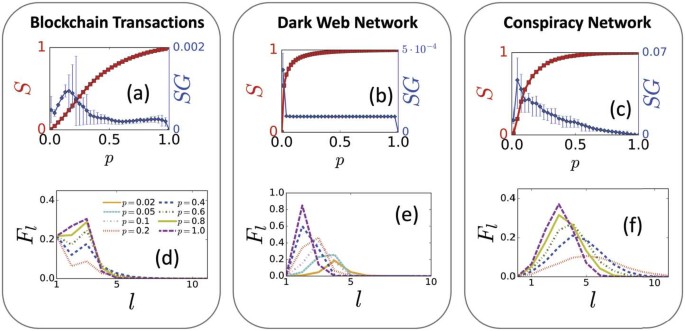
Legitimate discourse is messy and varied. Coordinated campaigns, however, often exhibit robotic consistency. Look for accounts that post identical phrasing, use the same hashtags at the exact same times, or reply to unrelated posts with pre-written scripts. Research on Telegram channels has shown that automated bots frequently amplify extremist or conspiracy narratives to create a false sense of consensus [src-serp-6]. If a comment section looks like a mirror, it is likely manipulated.
Analyze Account Origins
Manipulation networks often rely on "sock puppet" accounts—fake profiles created to boost specific viewpoints. Check the age of the accounts pushing the narrative. Freshly created profiles with no history, no personal photos, and a focus solely on crypto speculation are red flags. Legitimate analysts build their reputations over time; they do not appear overnight with a single, highly coordinated message.
Verify the Source Chain
Follow the money and the links. Coordinated campaigns often link back to obscure websites or unverified social media profiles rather than established financial news outlets or official project documentation. Official sources, such as Ethereum Foundation updates or SEC filings, provide verifiable facts. If the primary source of information is an anonymous Telegram channel or a newly registered domain, treat the information with extreme skepticism.
Building a verification checklist
Conspiracy theories thrive on ambiguity. The Ethereum ecosystem is complex, and complexity creates blind spots that bad actors exploit. Before you buy, sell, or share a claim about ETH, run it through this verification checklist. It prioritizes on-chain data and official statements over social media sentiment.
Ignore anonymous Twitter accounts or unverified Telegram channels. Look for primary sources first. Vitalik Buterin’s official blog or Ethereum Foundation announcements are the gold standard. If a claim is about regulatory status, check the SEC’s official filings or court documents. If the source isn’t the originator, treat the information as hearsay until confirmed.
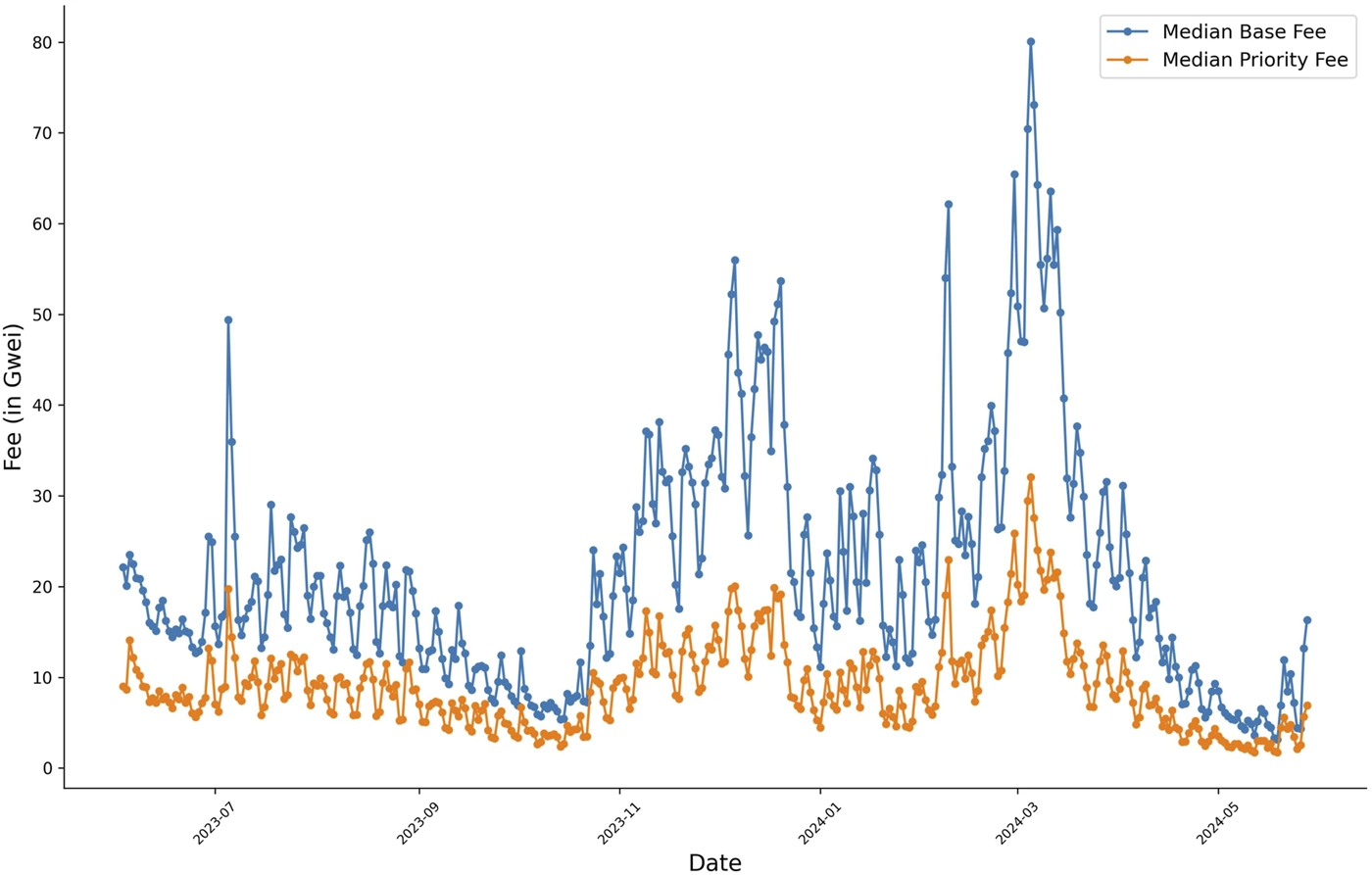
Don’t trust summaries of the blockchain; look at the blockchain itself. Use block explorers like Etherscan to verify transaction volumes, gas fees, and validator counts. If a conspiracy claims "whales are dumping," check the actual outflow from large wallets. If it claims "the network is congested," check the current gas price. On-chain data doesn’t lie, even if the narrative does.
When rumors about protocol changes or security breaches spread, pause. Check the Ethereum Improvement Proposal (EIP) repository for technical changes. For regulatory rumors, look for press releases from the Ethereum Foundation or statements from known figures like Joe Lubin. The SEC’s "gaslighting" claims, for instance, are matters of public legal record, not informal gossip.

Ask who benefits from the conspiracy. Is there a vested interest in driving down the price of ETH? Are there competing projects promoting the rumor? Understanding the motive behind the narrative helps you separate legitimate criticism from coordinated disinformation campaigns designed to manipulate market sentiment.
Healthy skepticism means waiting. If a major protocol upgrade is rumored, it will be discussed in multiple reputable tech publications and developer forums simultaneously. If only one obscure blog is reporting it, it’s likely false. Let the market and the community confirm the facts before you act.
Applying this checklist takes time, but it protects you from making decisions based on fiction. In crypto, information is the most valuable asset. Verify it carefully.
No comments yet. Be the first to share your thoughts!